

 By
By 
For generations, the intricate negotiations of African customary marriage, or lobola, have been the exclusive purview of family elders conducting proceedings in strictly private, oral forums. Today, those historic traditions are being systematically translated into source code, courtesy of a software development project that has garnered the attention of international technologists and major broadcasters alike.
Developed by Courage Nyoni, a recent graduate of the National University of Science and Technology (NUST), the Lobola Calculator mobile application has evolved from a localised programming exercise during economic lockdowns into a global digital platform. The software, which has recorded over 17,600 downloads across Africa and Europe, was recently featured on Japan’s national broadcasting network, Nippon TV, as an illustrative case study of modern technology intersecting with historical preservation.
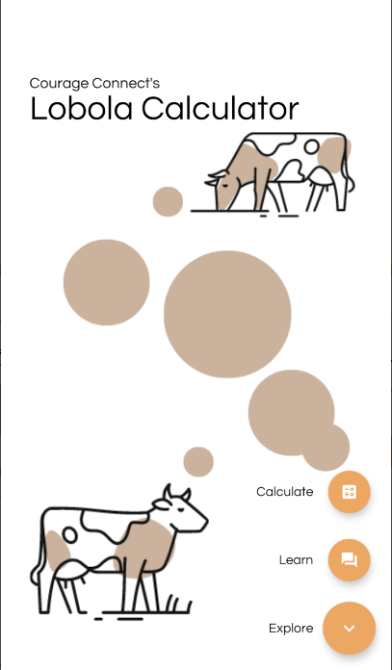
The innovation is distinguished by its structural approach to algorithmic cultural education. Rather than treating indigenous heritage as static archival material, the application operationalises complex, qualitative familial negotiations into an interactive, computational model. By utilising user inputs such as academic attainment, socio-cultural lineage, and diverse lifestyle variables, the underlying software generates quantified, estimated valuations that mirror traditional bridal negotiations.
While the developer emphasises that the platform serves primarily educational and recreational functions, it fulfils a critical structural objective: rendering nuanced oral traditions accessible to a digitally native generation.
The global traction of the application highlights a broader macroeconomic trend: an increasing international demand for tailored African digital solutions. By deploying modern software architecture to formalise custom-heavy cultural processes, Nyoni has demonstrated how contemporary African engineers can leverage localised contexts to create universally scalable intellectual property.
The global visibility achieved by this application signifies a paradigm shift within the regional technology sector. It underscores the reality that the digitisation of heritage has transitioned from academic institutional repositories to active consumer software, bridging the historical disconnect between customary law and digital innovation.












Comments