

 By
By 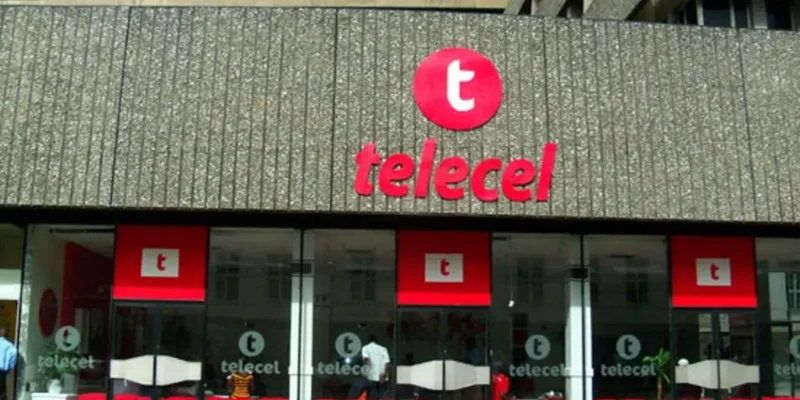
Telecel Zimbabwe, a telecommunications company with a long and tumultuous history, has arrived at its most critical juncture. Decades marked by shareholder conflicts, overwhelming debt, and technological obsolescence have culminated in a desperate search for new investment to stave off collapse.
By Toneo Toneo
Shareholders, including governemnt and private players have all but ignored Telecel Zimbabwe, for years, allowing the entity to only run on mere revenue while capital expenditure and operational expenses balloon, what a sad way to kill one of the most promising ICT assets of our time.left with only
Telecel Still Has 305,042 subscribers
On April 21, 2026, Grant Thornton, the corporate rescue firm appointed to oversee Telecel’s restructuring, issued a formal call for tenders from interested investors. The window for engagement is notably brief, with parties expected to register interest by 15:00 hours on April 28, 2026.
Telecel’s decline is not sudden but the result of a slow erosion from once potent contender to struggling survivor. In November 2025, the company entered voluntary corporate rescue under CEO Angie Vere’s stewardship—a move designed to protect it from creditors while efforts were made to rebalance its severely distressed financial position.
A stark illustration of the company’s plight dates back to 2022, when the Communication and Allied Service Workers Union (CASWUZ) revealed court filings disclosing liabilities in excess of $24 billion contrasted with assets of merely $1.5 billion. This $22.5 billion deficit has only widened as revenues fell and customer defections increased.
Historically, Telecel’s problems trace to ownership instability. Initially launched as a promising partnership between local investors and Telecel International, it soon became engulfed in legal battles and internal power struggles. The 2015 departure of VimpelCom (now VEON)—a major international player that offloaded its 60% stake to the government entity ZARNet for $40 million—did little to resolve uncertainties. That stake, now held by the Mutapa Investment Fund alongside state enterprises NetOne and TelOne, has left Telecel caught in an ambiguous state role, perceived as the neglected middle sibling amid Zimbabwe’s telecoms.
From a technological standpoint, Telecel’s infrastructure is severely outdated. While competitors Econet and NetOne engage in fierce competition deploying 4G and 5G networks, Telecel operates a mere 17 4G towers nationwide compared to Econet’s nearly 1,700. This technological lag places Telecel far behind industry standards.
Grant Thornton’s representatives, Kundai F. Tibugare and Bulisa Mbano, stress that the tender is not a public share sale but a search for a strategic partner or investor with the capital and vision to revive the company. Interested parties must pay a non-refundable documentation fee and sign a Non-Disclosure Agreement to access detailed financial disclosures.
The critical question remains: Is Telecel a viable investment? Its existing, though aging, infrastructure and operating license hold value, alongside a small but loyal customer base. Yet the financial liabilities and technological upgrades needed could demand transformative investment.
The outcome of this tender process could herald either a historic turnaround or the final chapter in Telecel’s long saga. The deadline of April 28 looms, with the industry keenly watching how the company’s next act will unfold.
Telecel Zimbabwe is a major Zimbabwean mobile network operator established in 1996, with 60% ownership held by the government through ZARnet.












Comments