

 By
By 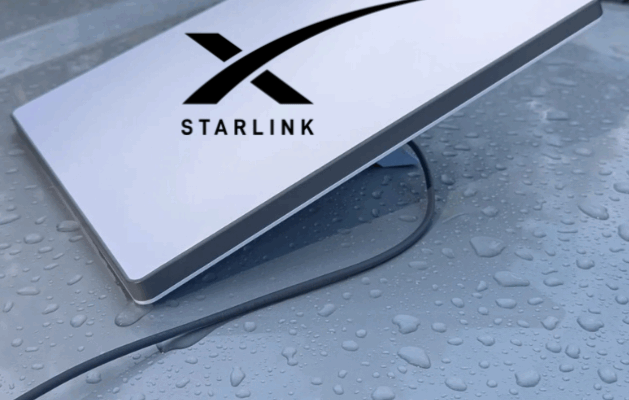
By Ross Moyo
The Ministry of Information Communication Technology, Postal and Courier Services has taken a major step towards revolutionizing the country’s education sector with the handover of 8,000 Starlink connectivity kits to the Ministry of Primary and Secondary Education.
The kits, valued at over USD $2,4 million, will enable schools to access digital learning platforms, virtual classrooms, and online resources, bridging the digital divide in education. The initiative is part of the government’s broader digital transformation agenda, which aims to position Zimbabwe as a leader in tech innovation.
“These kits will collapse distance and bring the world into the classroom, whether it’s in metropolitan Harare or the most remote district of our nation,” Minister Mavetera said. “We are building a generation of digitally skilled citizens who will drive our economy forward.”
The kits will be deployed in schools across the country, with a focus on rural and underserved areas. The ministry plans to monitor the impact of the kits on learner outcomes, including pass rates, digital literacy levels, and overall teaching effectiveness.
With the Starlink kits, students will have access to a wealth of digital resources, including online textbooks, educational videos, and interactive learning platforms. This will enable them to learn at their own pace and explore subjects in greater depth.
The initiative is expected to benefit over 1 million students in the country’s primary and secondary schools. The ministry plans to expand the program to reach more schools in the future.
The handover ceremony was attended by senior government officials, including the Minister of Primary and Secondary Education, Prof. T. Moyo, and the Deputy Minister of ICT, Hon. D. Phuti.
As Zimbabwe’s education sector prepares for a digital revolution, the future looks bright for the country’s learners. With access to digital learning platforms and resources, they will be well-equipped to thrive in the 4IR.
The success of this initiative will depend on the effective deployment and utilization of the Starlink kits. The ministry’s plans for monitoring and evaluation will be crucial in ensuring that the kits have a positive impact on learner outcomes.












Comments