

 By
By 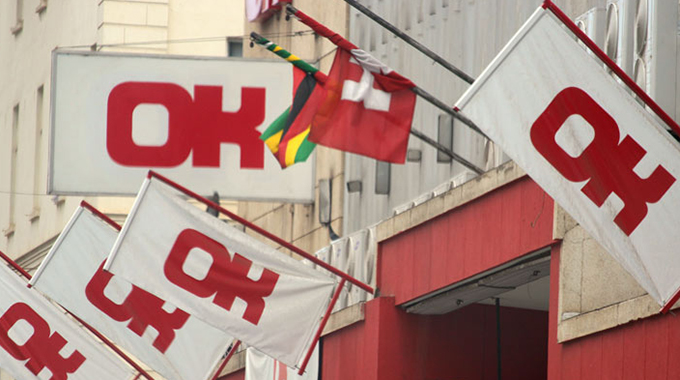
OK Zimbabwe Limited has suspended all employee salaries and wages, effective immediately, a stark illustration of the deepening crisis within Zimbabwe’s retail sector. The unprecedented move, ratified on Friday by the company’s Joint Works Council, leaves thousands of workers without pay as the struggling supermarket chain fights for survival under corporate rescue.
According to a resolution document dated May 22, 2026, the suspension of the payroll and compensation structure is a direct attempt to “stabilise the business en route to full recovery.” Management, alongside the National Workers Committee, agreed that no payroll will be run beginning this month “until further notice,” or until business returns to profitable levels.
The joint resolution described the payroll freeze as a “difficult and uncomfortable measure, but a necessary intervention” to mitigate the impact of plummeting revenues. The document was signed by key stakeholders, including Corporate Rescue Practitioner Bulisa Mbano and Works Council Chairman Alex E. Siyavora.
In simple words, the company is asking workers to work for free.
The suspension is the latest blow for the 83-year-old retailer, which operates 69 outlets nationwide under the OK Stores, Bon Marché, and OKmart brands. The company’s financial unravelling became undeniable earlier this year. Following a catastrophic decline in revenue which plummeted 52% from $511 million to $245 million in the 2025 financial year major suppliers ceased extending credit lines in early February 2026.
This lack of inventory supply choked daily revenue generation and triggered a liquidity crisis, leaving shelves bare and reducing the customer base from 34 million to 22 million over the past year. Without stock to sell, operations effectively ground to a halt.
A handful of underperforming stores were closed as part of early rescue measures, leaving some outlets still trading, many of them distressed.
The board of directors held an urgent meeting on February 23, 2026, recognising the severe working capital constraints. The following day, OK Zimbabwe voluntarily entered corporate rescue under Section 122 of the Insolvency Act, placing the company under the supervision of Grant Thornton’s Mbano to shield it from immediate creditor litigation.
While a US$20 million rights offer in mid-2025 briefly patched the widening financial gap, it proved insufficient against the macroeconomic challenges and currency volatility that have battered Zimbabwe’s formal retail economy.
The Joint Works Council has pledged to ensure compliance with relevant labor laws during this adjustment. However, the halt on wages places immense immediate pressure on the company’s workforce.
With complex restructuring efforts now underway, OK Zimbabwe’s path back to solvency remains heavily contested, leaving the company’s future and the livelihoods of over 3,000 employees hanging in the balance.










Comments