

 By
By 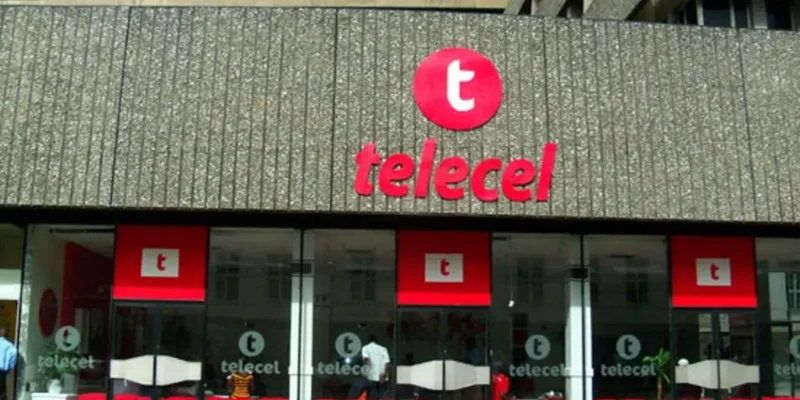
By Ross Moyo
Telecel Zimbabwe, a mobile network operator and the third-largest telecommunications provider in Zimbabwe, offering 2G, 3G, and 4G services has continued to register a decline in subscribers, but still has some loyal clients as well
The Mobile Network Operator (MNO) which focuses on affordable voice, data, and mobile financial services (Telecash), with the government of Zimbabwe acting as its primary shareholder faced some hard knocks which led to less subscriber base.
Mainly due to lack of capital investment by shareholder and corporate bickering the asset has continued to depreciate, with no joy in sight.
“Telecel Zimbabwe’s subscriber base has declined to 305,042, a 4.6% drop from the previous quarter,” the Postal and Telecommunications Regulatory Authority of Zimbabwe (POTRAZ( third quarterly report said.
Telecel Zimbabwe’s subscriber base has declined to 305,042, amid operational challenges and limited network expansion. The company’s market share has also decreased, with Econet and NetOne gaining ground.
The decline is attributed to increased competition and limited investment in network infrastructure. “The company’s operational challenges have impacted its subscriber growth,” according to the POTRAZ report.
Telecel’s decline is a concern for the telecom industry, which is expected to drive economic growth. The company’s subscriber base has been shrinking, no capital expenditure while shareholders watch helplessly as a once thriving enterprise collapse.
Without capital injection and failure to maintain assets, Telecel has been forced to run from its small operational revenue, slowly setting it up to fail
The decline in subscribers is expected to impact Telecel’s revenue and profitability as the company needs to invest in its network infrastructure to remain competitive.
Unfortunately Telecel’s challenges are an opportunity for other operators to gain market share. Econet and NetOne are well-positioned to capitalize on Telecel’s decline.
The telecom industry is highly competitive, with operators vying for market share. Telecel’s decline highlights the need for investment in network infrastructure and Telecel’s management has been working to address the company’s operational challenges.










Comments