

 By
By 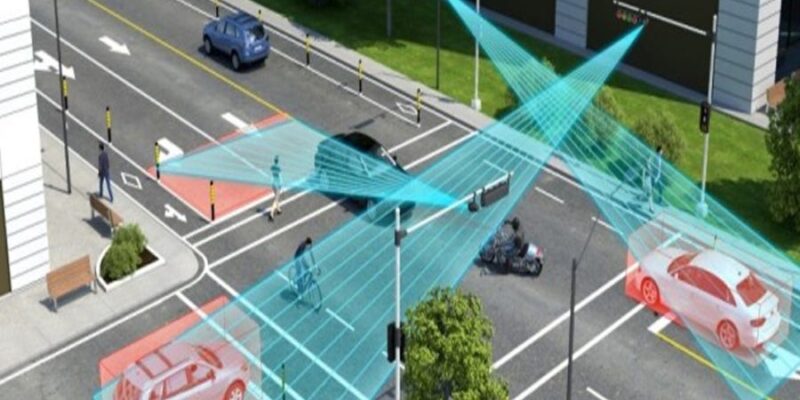
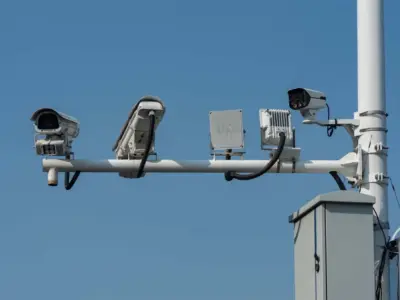
TelOne, in partnership with the Zimbabwe Republic Police (ZRP), Smart Traffic Management System has digitized the monitoring and enforcement of traffic laws through the use of closed-circuit television (CCTV) cameras and advanced data management systems.
During a live demonstration conducted by TelOne engineers, it was explained that motorists who violate traffic laws will be detected and recorded by strategically installed CCTV cameras operating in real time. The cameras are capable of capturing vehicle registration numbers and recording evidence of traffic offense as they occur.
However, before any penalty is issued, a police officer will review the recorded footage to verify whether the alleged offense is valid. This verification process is intended to reduce errors and ensure that motorists are not wrongly penalized.
Once an offense has been confirmed, the system automatically retrieves information linked to the vehicle’s registration and licensing records. The registered vehicle owner will then receive a text message notification detailing the offense committed and the corresponding fine that must be paid.
To settle the fine, the vehicle owner will be required to undergo a verification process at a police station. This process includes presenting a national identification card and other relevant documentation to confirm ownership of the vehicle before payment can be made.
According to the engineers, the system also features an online portal designed to improve transparency and accountability. Motorists will be able to register on the platform and verify that payments made towards fines have been correctly captured in the system, reducing the possibility of administrative errors.
The portal will also allow users to view their traffic offense history, including both outstanding and previously settled violations over a specified period. Access to this information will be restricted through secure login procedures, ensuring that only authorized vehicle owners can view records relating to their vehicles.
Failure to pay an issued fine may result in further legal action. They also indicated that persistent non-payment could lead to the issuance of a summons or notice from the Magistrates’ Court, potentially attracting additional penalties in accordance with the law.
The project is currently being implemented in phases, with the first phase almost completed. Additional installations and system expansions are expected as the project progresses, increasing the coverage of monitored roads and intersections across the country.
The Smart Traffic Management System is designed to detect a wide range of traffic violations, including:
1.Running red traffic lights;
1. Failure to wear a seatbelt;
3.Illegal overtaking;
4.Crossing stop lines;
1. Speeding;
6.Using a mobile phone while driving; and
7.Other traffic offences that contribute to road accidents and unsafe driving practices.
Speaking during a briefing on the progress of the project, Minister of Home Affairs and Cultural Heritage Kazembe Kazembe commended the initiative, saying it would play a significant role in reducing road accidents and improving compliance with traffic regulations.
https://youtu.be/4n_SIEOKpDg?si=ZPMbx5bbK8QJiW3z

Screenshot
He said the future is digital and the country’s traffic management systems must also embrace modern technology in order to enhance road safety and law enforcement.
While the system is expected to encourage greater compliance with traffic laws, monetary penalties alone may not be sufficient to change driver behaviour. Road safety experts often advocate for a combination of fines, driver education, demerit point systems, and consistent enforcement to achieve lasting improvements in road discipline.
Nevertheless, the system will serve as an important deterrent against reckless driving and help create safer roads for all road users.
Motorists are therefore encouraged to obey traffic regulations at all times, as traffic violations can now be detected, verified, and processed electronically, even in the absence of a police officer at the scene.











Comments