

 By
By 
Since its official licensing in Zimbabwe, Starlink has transformed the nation’s digital landscape, offering high-speed satellite internet to remote areas that were previously off the grid. However, for many users, the speed of the internet is being overshadowed by the payment struggle. While the service is futuristic, the settlement process remains a frustrating hurdle, leading to a growing call for the integration of local biller codes.
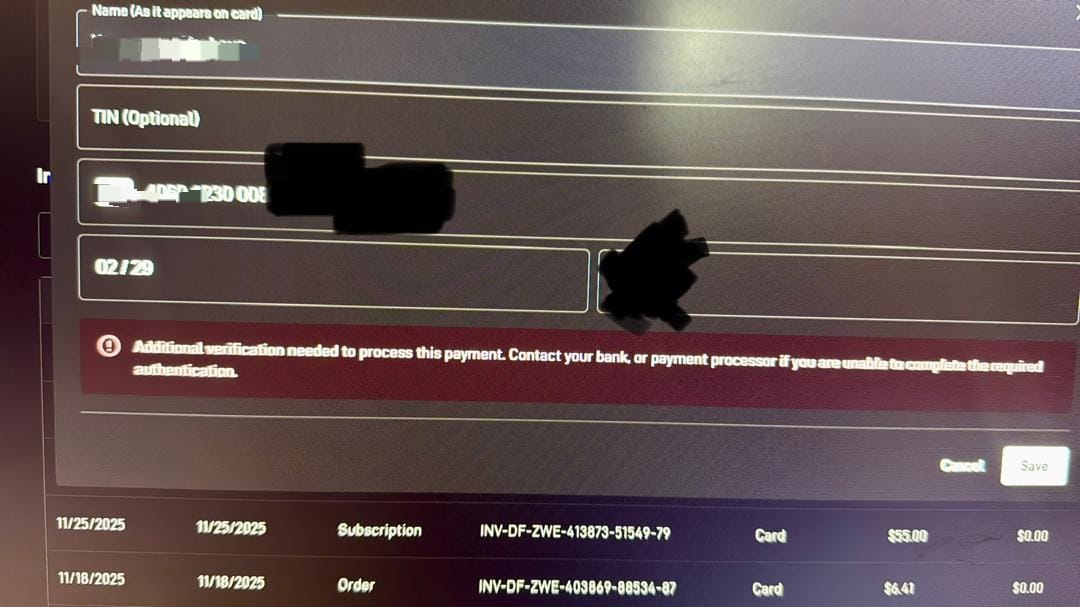
The primary grievance among Zimbabwean subscribers is Starlink’s online-only payment requirement. Currently, the platform primarily accepts direct payments via international Visa or Mastercard gateways. This dependency has created a Payment Gap characterised by high failure rates and hidden costs.
Many local Prepaid cards are frequently declined by Starlink’s international payment systems without clear explanation. Because these are processed as cross-border transactions, local banks and digital wallets often attach bank charges and currency conversion fees.
A standard US$50 subscription can easily balloon to US$60 or more once these overheads are factored in. Even those utilising Virtual Card Numbers (VCNs) from platforms like EcoCash or O’Mari face challenges, as these cards often fail to auto-renew, leading to sudden and inconvenient service disconnections.
Tech analysts and consumers alike argue that Starlink should follow the successful models of companies like DStv and others. By integrating with local financial ecosystems, Starlink could offer direct biller codes.
Imagine the convenience of paying a Starlink sub via the EcoCash *153# menu, the O’Mari *707# portal, or the InnBucks app. Such a system would be instant, transparent, and settled in a manner that avoids the volatility of international gateway failures. Empowering authorized resellers and partners such as TelOne or Shona Prince Technologies to collect monthly subscriptions in-store would mirror the efficient agent model used by satellite television providers.
In fact, the technology already exists locally. Some business customers currently utilise the TelOne self-service portal (shop.telone.co.zw) to manage their accounts, proving that a localised payment architecture is viable.
While Starlink historically prefers a Direct-to-Consumer model to keep operational costs low, the company is beginning to adapt to African market realities. In nations like Kenya and Rwanda, Starlink has already started testing mobile money payments.
For the Zimbabwean market, the introduction of a dedicated Zimbabwe Biller Code would not just be a convenience, it would be a necessity for financial inclusion.










Comments