

 By
By 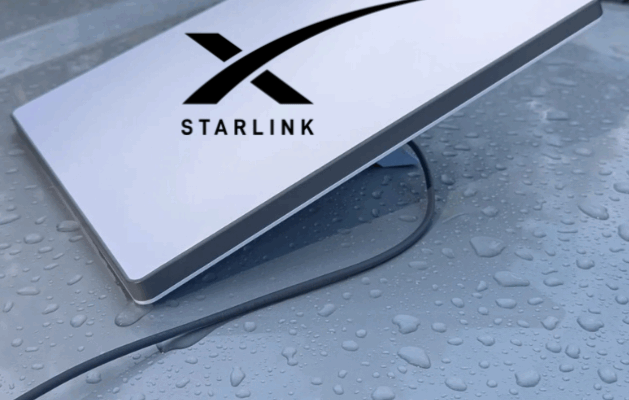
Starlink has introduced its “direct-to-cell” mobile satellite internet service, designed to enable smartphones to connect directly to satellites without the need for additional hardware. This innovative service aims to transform communication in remote areas by allowing users to send texts, make calls, and access basic data services, even in regions with no cellular coverage.
By Ropafadzo Mashawi
The backbone of this service is a new generation of satellites equipped with built-in cell antennas, which reportedly create a satellite network capable of supporting regular 4G phones, such as the iPhone 14 and newer, and Samsung Galaxy S23 models. The only requirement is that users be connected through T-Mobile, Starlink’s partner carrier.
“This new capability enables ubiquitous access to texting, calling, and browsing wherever you are, whether on land, lakes, or coastal waters,” Starlink stated on its website. The service is expected to be especially vital during emergencies, such as natural disasters or in scenarios where users find themselves stranded in remote wilderness.
The launch of the first batch of Direct-to-Cell (D2C) satellites took place on December 31, 2024. With this rollout, Starlink claims its D2C constellation is now “nearly 10 times larger” than all competing mobile satellite service operators combined. Each D2C satellite is outfitted with an advanced eNodeB modem, essentially allowing it to function like a traditional cellphone tower in space.
Users will not need to invest in special equipment or hardware; the service is designed for compatibility with existing LTE-enabled smartphones. However, currently, only a limited selection of devices is supported through the T-Mobile partnership, leaving some Android users without native integration into the operating system for now.
Despite its promise, the D2C service is still in the rollout phase and may not be immediately available in all regions. Pricing details have yet to be announced, but the service is expected to redefine mobile communication, particularly in bridging longstanding mobile dead zones and enhancing safety for individuals in vulnerable situations.
As Starlink continues to expand its D2C offerings, its potential to change the landscape of mobile connectivity opens new avenues for communication, especially where traditional phone networks have failed.







Comments