

 By
By 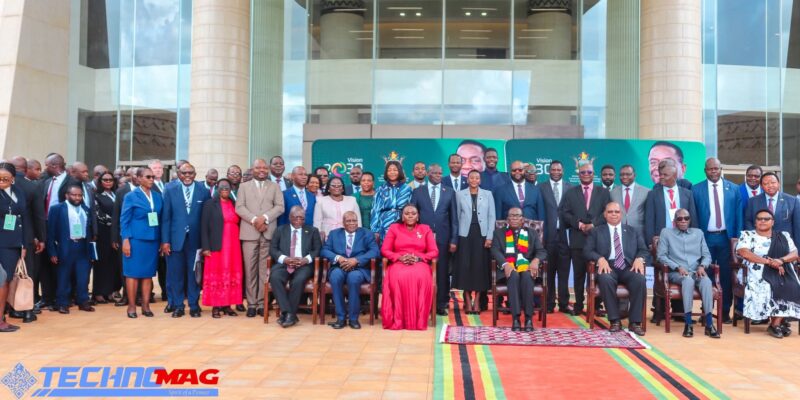
By Ross Moyo
Zimbabwe’s National AI Strategy is expected to enhance the country’s digital sovereignty, President Emmerson Mnangagwa has said.
The strategy is aimed at promoting inclusive growth, innovation, and sovereignty, and is expected to benefit various sectors, including healthcare, education, and agriculture.
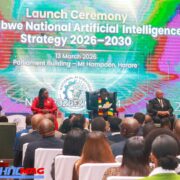
“The National AI Strategy is a key component of our efforts to enhance Zimbabwe’s digital sovereignty,” President Mnangagwa said as he addressed the Zimbabwe National Artificial intelligence Strategy at the New Parliament building in Mount Hampden yesterday.
Digital sovereignty, cyber sovereignty, technological sovereignty and data sovereignty refer to the ability to have control over your own digital destiny – the data, hardware and software that you rely on and create.
Or, as the Centre for Africa-Europe Relations puts it: the physical layer (infrastructure, technology), the code layer (standards, rules and design) and the data layer (ownership, flows and use).
The Head of State and Government and Commander in Chief of the Zimbabwe Defence Forces added,
“We are committed to ensuring that our AI strategy is aligned with our national interests.”
Cabinet has established a governance structure, including the National Digital Regulatory Committee, the AI Strategy Implementation Office, and Technical Working Groups, to oversee the implementation of the strategy.
This strategy is expected to promote AI literacy and capabilities from primary schools to universities with government having launched five key initiatives to support the implementation of the strategy, including the AI Grand Challenge and the National AI and Data Platform.
These initiatives are expected to promote innovation, entrepreneurship, and job creation in the AI sector while government is working with ICT industry to establish a National AI Innovation Fund to support AI startups.
The fund will provide funding and mentorship to AI startups, promoting innovation and entrepreneurship in the sector.
Zimbabwe’s National AI Strategy is expected to drive innovation and entrepreneurship in the country, President Emmerson Mnangagwa said.
The strategy is aimed at promoting inclusive growth, innovation, and sovereignty, and is expected to benefit various sectors, including healthcare, education, and agriculture.
“The AI Strategy is expected to create new opportunities for Zimbabweans to innovate and start their own businesses,” President Mnangagwa said. “We are committed to ensuring that our AI strategy supports the growth of our startup ecosystem.”
The government has established a governance structure, including the National Digital Regulatory Committee, the AI Strategy Implementation Office, and Technical Working Groups, to oversee the implementation of the strategy.
The strategy is expected to promote AI literacy and capabilities from primary schools to universities.
The government has launched five key initiatives to support the implementation of the strategy, including the AI Grand Challenge and the National AI and Data Platform.
The initiatives are expected to promote innovation, entrepreneurship, and job creation in the AI sector.
The government is working with stakeholders to establish a National AI Innovation Fund to support AI startups.
The fund will provide funding and mentorship to AI startups, promoting innovation and entrepreneurship in the sector.










Comments