

 By
By 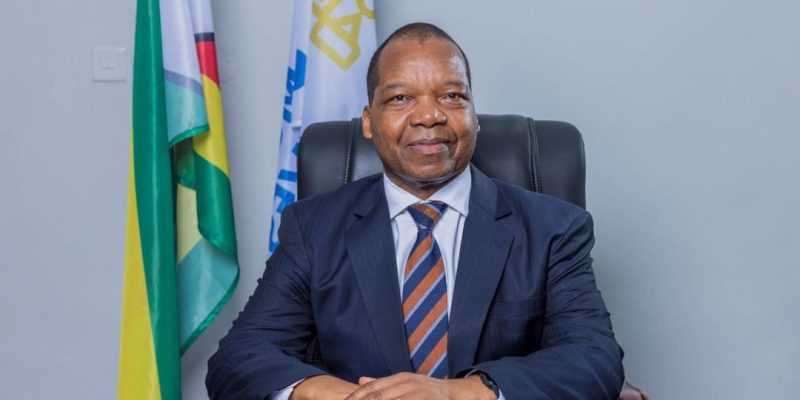
By Ross Moyo
Dr John Panonetsa Mangudya, Chief Executive of the Mutapa Investment Fund (MIF), has moved to complete the most sweeping restructuring of Zimbabwe’s power sector in 20 years, appointing a new 11-member board for the newly merged ZESA (Private) Limited with effect from 1 April 2026 according to General Notice 1193 of 2026.
The appointments, confirmed in a notice by Group Legal Advisor Tungamirai Chinhengo pursuant to General Notice 1193 of 2026, dissolve the old tripartite structure and create one operating company from ZESA Holdings, Zimbabwe Power Company (ZPC), and Zimbabwe Electricity Transmission and Distribution Company (ZETDC).
It is the first major board decision by Mutapa since taking over custodianship of state enterprises, and it signals Mangudya’s intent to run power like a portfolio company: fewer silos, clearer accountability, and private-sector discipline.
THE NEW BOARD: CORPORATE HEAVYWEIGHTS + TECHNICAL DEPTH
Albert Joel Nduna, a veteran business executive, chairs the board. Ms Ntokozo Mkandla is Deputy Chair.
The 9 other non-executive directors are: Tawanda Ernest Denhere, Mrs Matilda Nyathi, Sugar Chagonda, Cassius Gambinga, Mrs Theresa Muchinguri, Engineer Nomusa Jowah, and Ms Nyasha Hazel Muvirimi.
This mix brings banking, governance, energy engineering, and public administration experience — a deliberate shift from the politicized boards of the past.
TECHNICAL LEADERSHIP: ESKOM DNA IMPORTED
Operationally, the biggest statement is in the C-Suite.
Engineer Cletus Nyachowe is confirmed as Chief Executive of the new ZESA.
Engineer Jan Albert Oberholzer joins as Chief Operating Officer.
Oberholzer served as COO of Eskom from 2018 to July 2023.
That matters. Eskom’s peak demand is 32,000MW and it manages a grid serving 60 million people and an economy 8x larger than Zimbabwe’s. Zimbabwe’s peak demand sits at 1,900MW to 2,200MW with installed capacity of 2,400MW but average generation often below 1,400MW due to breakdowns and coal/water constraints.
Bringing in a man who ran operations for Africa’s largest utility is Mutapa’s clearest signal yet: ZESA will be benchmarked against Eskom-scale systems, controls, and outage management.
Dr Mangudya, a former RBZ Governor, has consistently argued that SOE reform requires “technical CEOs, not political ones.” The Oberholzer appointment operationalizes that doctrine.
WHY THE MERGER MATTERS NOW
For years, ZESA Holdings set policy, ZPC generated, and ZETDC distributed. The split created blame-shifting, duplicated procurement, and delayed capex.
Consolidation under one P/L means:
1. Single accountability for generation, transmission, and distribution losses
2. Unified procurement for transformers, meters, and grid equipment
3. One balance sheet to raise project finance for new generation
4. Integrated planning for renewables, storage, and grid stability
With Mutapa as shareholder, the new ZESA will also be expected to meet commercial targets, publish audited accounts, and reduce reliance on Treasury bailouts.
THE MANGUDYA DOCTRINE
Dr Mangudya’s playbook at Mutapa has been: consolidate, professionalize, commercialize.
He did it with mining assets. He is now doing it with power.
By appointing Nduna to chair and importing Eskom operational expertise, he is telling investors and DFIs that Zimbabwe is serious about bankable power projects.
The test will be execution: can this board reduce outages, cut technical and commercial losses currently estimated at 20%+, and get IPPs online faster?
If yes, then the Mangudya restructuring of 2026 will be remembered as the turning point where ZESA stopped being 3 companies in crisis, and became one utility with a mandate to deliver.









Comments