

 By
By 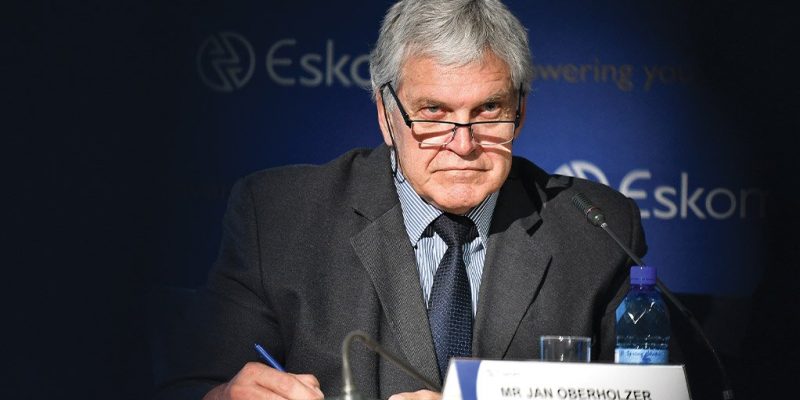
By Ross Moyo
ZESA just imported Eskom’s operating system.
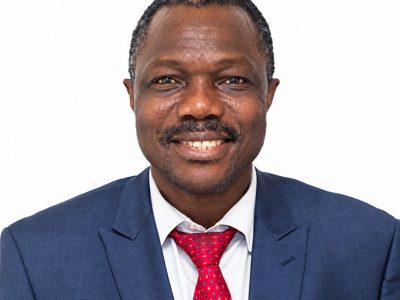
The appointment of Engineer Jan Albert Oberholzer as Chief Operating Officer of the newly merged ZESA (Private) Limited is more than a CV hire. It is a technology transfer.
Oberholzer ran operations at Eskom from 2018 to 2023, managing a grid 15 times larger than Zimbabwe’s, with load-shedding, plant breakdowns, and grid instability that make ZESA’s challenges look familiar — but at continental scale.
Under the new structure announced by Mutapa Investment Fund CEO Dr John Mangudya , ZESA has merged ZESA Holdings, ZPC and ZETDC into one company. The board is chaired by Albert Joel Nduna and the CEO is Engineer Cletus Nyachowe.
The question now: what does “Eskom DNA” mean for Zimbabwe’s grid?
1. FROM REACTIVE TO PREDICTIVE: SCADA, AI, AND OUTAGE MANAGEMENT
Eskom’s COO office oversees real-time grid control, plant availability, and maintenance scheduling across 28 power stations and 400kV/275kV transmission.
Zimbabwe’s grid still suffers from:
– Unplanned outages due to aging coal units at Hwange and Kariba water levels
– Load-shedding because demand 2,200MW exceeds available supply 1,400MW
– Technical losses of 8-10% and commercial losses of 10-12% from theft and poor metering
Oberholzer’s Eskom experience was in pushing predictive maintenance, condition monitoring, and outage optimization. Expect ZESA to accelerate:
– SCADA upgrades for real-time visibility from generation to last-mile
– AI-driven fault prediction on transformers and feeders — similar to what Econet is doing for telecoms
– Integrated OMS to cut restoration times from hours to minutes
2. GRID STABILITY AND RENEWABLES INTEGRATION
South Africa added 6,000MW+ of wind and solar in 5 years and learned hard lessons about grid inertia, frequency control, and storage.
Zimbabwe is now targeting 2,000MW of solar by 2030 under NDS1/NDS2. A single ZESA can plan transmission corridors once, instead of 3 entities fighting over wayleaves.
Oberholzer’s team will likely push for:
– Battery Energy Storage Systems (BESS) at substations to smooth solar
– Grid code enforcement for IPPs to ensure stability
– Demand-side management using smart meters — ZETDC had piloted 1 million meters
3. COMMERCIAL AND TECHNICAL LOSS REDUCTION
Eskom’s biggest headache is non-technical losses: ∼$1.2bn a year. Zimbabwe loses an estimated $100m+ annually to theft, bypasses, and faulty meters.
A merged ZESA + Eskom-trained COO means a war on losses:
AMI smart metering, data analytics for anomalies, and ring-fencing of revenue collection. Every 1% loss reduction = ∼22MW freed = power for 20,000 households.
PROJECT EXECUTION AT SPEED
Eskom COO controls capex delivery. Hwange 7&8 took 8 years. New solar and battery projects must move faster.
With one company, one procurement, and one COO accountable, Mutapa is betting ZESA can now sign and deliver IPP PPAs in <12 months instead of 3 years.
THE DATA GAP ZESA MUST CLOSE
For this to work, ZESA needs data Eskom already has:
Metric Zimbabwe Est. Eskom 2023
Peak Demand 2,200MW 32,000MW
Installed Capacity 2,400MW 58,000MW
Avg Plant Availability 55-60% 52%
Transmission Losses 3-4% 2.8%
Distribution Losses 16-18% 8-10%
Oberholzer’s job is to drag those Zimbabwe numbers toward Eskom benchmarks — and then past them.
Dr Mangudya’s board and CEO appointments answer the governance question. 
Oberholzer’s appointment answers the technical question.
A merged ZESA run by a former Eskom COO will not fix power in 6 months. But it does mean Zimbabwe is now running the same operating playbook as the continent’s biggest grid.
For consumers, that should translate to fewer faults, faster repairs, and a grid ready for solar, batteries, and 24/7 digital load.
For investors, it means one door, one PPA, one utility to deal with.
The Eskom playbook has landed in Harare. Now we watch if it works.











Comments