

 By
By 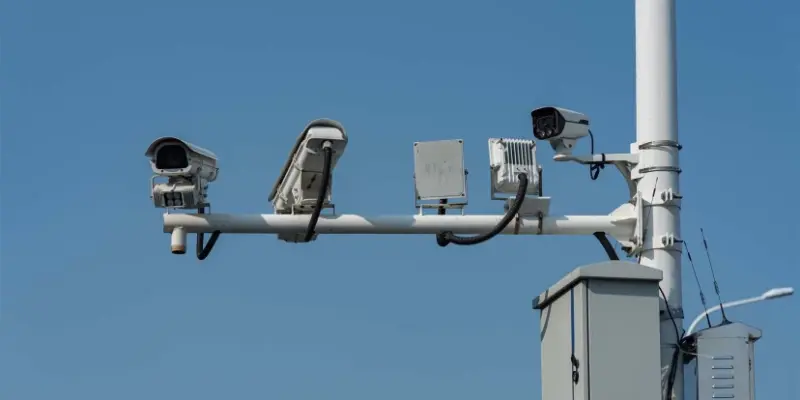
Automated traffic enforcement in Harare has registered a massive surge in driver violations, recording over four million suspected offences since going live.
According to Zimbabwe Republic Police spokesperson Commissioner Paul Nyathi, logged violations rose by 74% from 2.3 million in mid-August to over four million by late September 2026.
However, as the government begins issuing fines to motorists, growing criticism highlights a fundamental contradiction: high-tech digital surveillance is policing roads where basic physical infrastructure remains severely broken.
The initiative forms Phase One of the Smart Traffic Management and Surveillance Programme, overseen by the Ministry of Home Affairs alongside technical partner TelOne and funded via the Mutapa Investment Fund.
Currently deployed across 20 key junctions, including high-traffic intersections like Samora Machel Avenue and Glenara Avenue, over 300 cameras are planned.
The automated system scans for red-light running, speeding, lane violations, phone usage, and unbuckled seatbelts. Control room officers verify flagged footage, match vehicle licence plates via Central Vehicle Registry (CVR) and ZINARA databases, and send fine notices by SMS or email. Drivers can pay into a designated CBZ account or at ZRP offices, with standard offences billed at Level 3 (US$30, payable in ZiG at official rates).
Despite the technological efficiency, motorists and urban planners argue that enforcing strict compliance is fundamentally flawed on Harare’s dilapidated road network. City records reveal that 21 of the 69 signal-controlled intersections in the central business district are entirely non-functional due to power outages, vandalism, or unreplaced signals.
At critical routes like the Remembrance Drive and Simon Mazorodze Road junction, traffic lights are absent altogether. Severe road deterioration, with Parliament receiving reports of 3,772 km of city roads requiring urgent repair forces drivers to swerve across lanes or navigate around deep potholes simply to avoid accidents.
Critics contend that pursuing digital fines before restoring physical infrastructure shifts systemic state failures onto ordinary citizens. To create a fair and effective system, motorists are calling on authorities to suspend red-light ticketing at faulty intersections, publish transparent dispute mechanisms, and ring-fence fine revenues specifically to repair solar-backed traffic signals and road surfaces.
Until these fundamental issues are addressed, Harare’s high-tech surveillance risks being perceived less as a road safety initiative and more as an aggressive revenue extraction scheme.












Comments