

 By
By 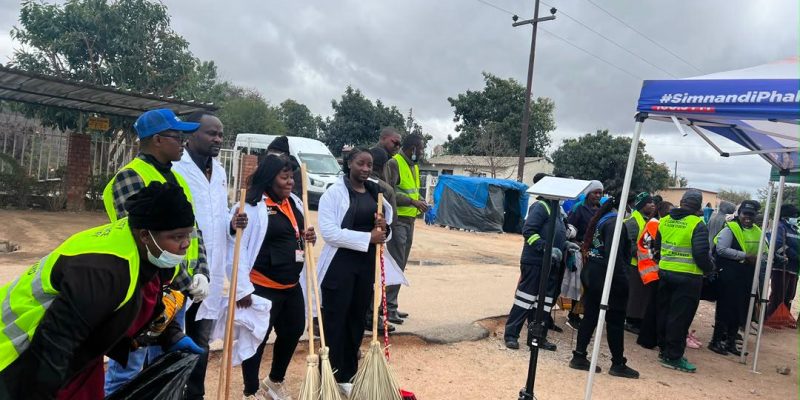
By Ross Moyo
Every first Friday, Zimbabwe cleans. But why does it matter?
Data: In 2023-2024, Zimbabwe recorded over 28,000 cholera cases, with 600+ deaths, according to Ministry of Health. Cause: Poor waste management, blocked drains, contaminated water sources.
In 2025, Masvingo recorded 12,000 malaria cases — breeding sites in uncollected waste and stagnant water.
EMA data shows Zimbabwe generates 1.7 million tonnes of municipal solid waste annually, with only 50% collected. The rest ends up in open dumps, drains and rivers.
NetOne’s clean-ups in Gokwe, Bulawayo and Masvingo directly attack that.
In Gokwe, improving public spaces means clearing drainage channels before rainy season — reducing cholera risk. In Bulawayo, where the city has struggled with illegal dumps in Makokoba and Entumbane, corporate participation reduces illegal dumping hotspots. In Masvingo, maintaining clean, healthy learning spaces at Don Bosco Primary directly impacts school attendance — dirty environments increase diarrhoeal diseases by 30%, according to WHO.
For NetOne, which operates in every district, this is public health investment. Healthy communities use phones more.
NetOne PR Manager Ernest Magadzire weighed in:”Meaningful connectivity extends beyond telecommunications. It is also about connecting communities to a shared responsibility for the environment in which we live and work.”

The ESG angle: Under ZSE Listing Requirements, ESG disclosure is now mandatory for state-owned enterprises preparing for partial privatization. Mutapa Investment Fund, which oversees NetOne, requires ESG reporting from all portfolio companies. Waste management, stakeholder engagement and community development are now scorecard items that affect executive bonuses and access to green financing.
NetOne @30 is therefore not just about 30 years of connecting calls. It is about 30 years of staying relevant — and in 2026, relevance means environmental responsibility.
The broom is now as important as the base station.












Comments