

 By
By 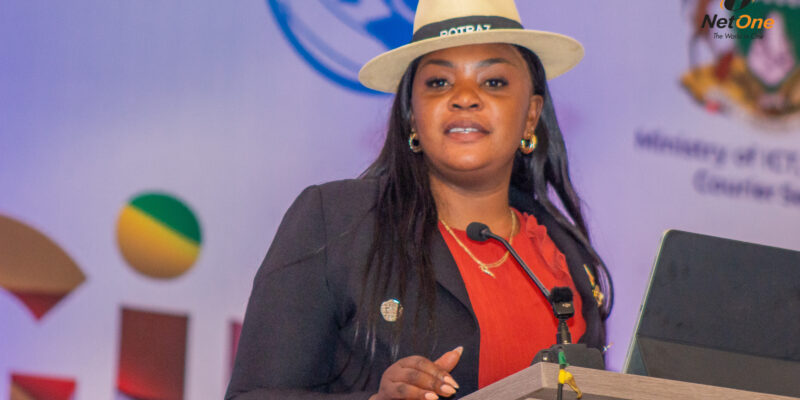
Minister Tatenda Mavetera says Zimbabwe is positioning itself as a key contributor to Africa’s digital inclusion agenda through large-scale investments in connectivity, satellite infrastructure, artificial intelligence and data protection systems..
Speaking during the opening of the 2026 International Telecommunication Union (ITU) Regional Development Forum for Africa (ITU RDF-ARF), Minister of ICT, Postal and Courier Services Tatenda Mavetera said the country was implementing what she described as “home-grown” digital transformation projects aimed at expanding access to technology while contributing to Africa’s broader digital development goals.
Minister Mavetera said Zimbabwe was rolling out its Presidential Internet Scheme to connect approximately 8,000 primary and secondary schools through satellite technology that will ensure no child is left out.
“Through our Presidential Internet Scheme, we are connecting around 8,000 primary and secondary schools via satellite technology, ensuring that no child in rural classroom is left behind. This is what a whole of government approach to meaningful connectivity looks like”, said Mavetera.
She also said that government is mobilising more than US$200 million to launch a satellite which will provide connectivity to every Zimbabwean.
“We are mobilising over $200 million to launch our own communications satellite. This is not about prestige , it is about sovereignty and ensuring that every Zimbabwean has access to affordable, reliable connectivity on our terms” she said.
A locally controlled satellite infrastructure will reduce dependence on external systems while expanding connectivity coverage, particularly in remote areas which will improve communications among the citizens.
She also highlighted the launch of the Zimbabwe National Artificial Intelligence Strategy 2026-2030, which includes plans for the establishment of an AI Acceleration Centre to support innovation, research and skills development in emerging technologies.
Mavetera said the strategy is designed to position Zimbabwe and Africa as active developers of artificial intelligence technologies rather than passive consumers of imported systems.
In addition, Zimbabwe is consolidating a harmonised National Data Centre, which will strengthen the protection of national data and improve digital service delivery.
Minister Mavetera described data as a strategic national asset requiring stronger local management and cybersecurity safeguards as African economies become increasingly digitised.
These projects being implemented locally are part of its broader contribution towards achieving inclusive digital transformation across Africa as there is a call for collective continental cooperation in expanding connectivity, digital infrastructure and emerging technologies.













Comments