

 By
By 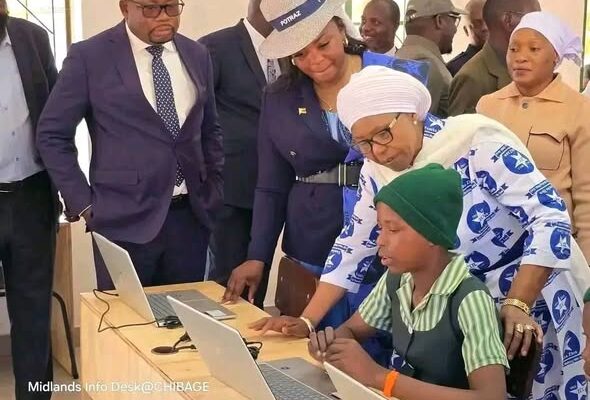
The education sector is standing at a defining moment, with the government announcing a bold plan to equip every learner with a personal digital device as part of its “One Pupil, One Tablet One Student, One Laptop” programme set for national rollout in 2026.
Speaking during a visit to Hippo Valley Estates Primary School in Chiredzi, Minister of Primary and Secondary Education Torerayi Moyo said the future of learning will depend on how quickly schools embrace digital transformation, technology access and inclusive innovation.
“This bold and transformative initiative is designed to modernise the learning environment in both primary and secondary schools by equipping learners with personal digital devices,” said Moyo. “It is a critical step toward bridging the digital divide between urban and rural schools and building a resilient, inclusive and future-ready education system.”
By Ruvarashe Gora
The Ministry revealed that more than 15,000 internet connectivity kits have already been procured, with 9,000 ready for deployment across the country. The devices including tablets, laptops and iPads will be supported by solar kits for off-grid schools under the Presidential solarisation scheme to ensure no region is left behind.
Moyo emphasised that access to digital tools is now as essential as access to books, noting that the initiative aligns with the country’s significant investment in the 2026 education budget.
“Education is the foundation of national development,” he said. “Let us build it with innovation, equity and purpose.”
Parents, educators and community leaders have welcomed the programme, describing it as a transformative step that will expose learners to digital content, online resources and global knowledge systems. One parent said the initiative would ensure children grow up prepared for a world increasingly shaped by technology.
A community member added that the programme fits within Zimbabwe’s national development agenda, giving every child the opportunity to engage with emerging technologies in meaningful ways.
School authorities say the transition is already underway. Hippo Valley Estates Primary School head, Julia Madzudzo, noted that the institution is integrating digital tools across all six learning areas to better prepare learners for future careers and a rapidly changing world.
As digital learning accelerates globally, stakeholders agree that Zimbabwe’s education system must adapt swiftly to remain relevant. The nationwide programme is expected to strengthen digital literacy, improve learning outcomes and expand equal access to information for rural and urban learners alike.
Moyo said the Ministry is working closely with development partners and private-sector players to ensure successful implementation of the rollout.
“The future of education in Zimbabwe is digital, and we are committed to making that future accessible to every learner,” he said.
While schools face challenges such as limited electricity and connectivity, the government believes coordinated investment, innovation and cross-sector collaboration will ensure the programme reaches all communities. The Ministry says the initiative marks a major stride toward building an inclusive, modern and technology-driven education system capable of supporting national development.










Comments