

 By
By 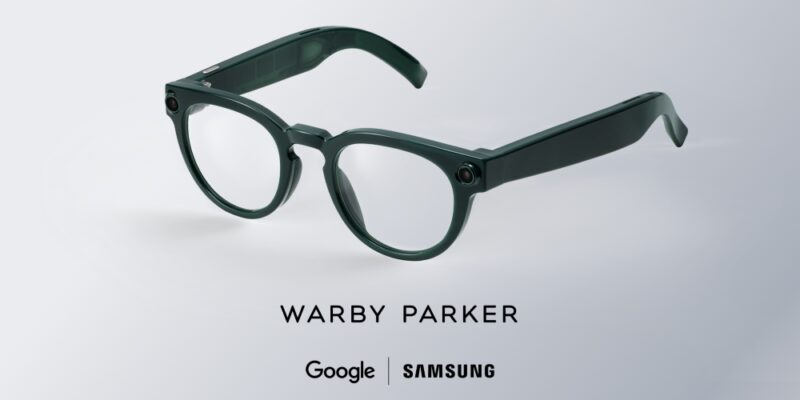
Samsung Electronics and Alphabet’s Google have officially unveiled the designs of their highly anticipated smart glasses, co-developed with prominent eyewear brands Warby Parker and Gentle Monster. Set for release soon, the new products represent a direct challenge to Meta Platforms, which has so far led the emerging artificial intelligence eyewear category.
The upcoming glasses are the first in a series of AI-powered eyewear that allows users to interact with Google Gemini through voice commands, mirroring how Meta AI operates on Ray-Ban smart glasses.
While models featuring built-in displays are currently in development for a 2027 release, the initial Warby Parker and Gentle Monster hardware will be predominantly audio-based, equipped with integrated cameras specifically built for Gemini.
Through these smart glasses, consumers can ask for directions, play music, answer voice calls, listen to notification summaries, and add calendar appointments. Additionally, users can request real-time translations from Gemini. By leveraging data captured from the integrated camera, the system enables wearers to ask for real-time details about any object they are looking at.
The devices can also capture photos and video via a physical button press or voice commands, utilizing a built-in LED light to alert bystanders that the camera is active.
“We have to raise the bar and design for privacy from the ground up,” stated Shahram Izadi, vice president and general manager of Android XR at Google. Google and Samsung plan to share specific details regarding privacy safeguards over the coming months. Pricing and an exact release date have not yet been disclosed.
The tech giants are rapidly diversifying their spatial computing ecosystems.
While Samsung previously released its first Android XR device last year with the Galaxy XR virtual reality headset, executives note a clear strategic shift. Samsung views fully-enclosed headsets as a stationary experience for productivity and movies, whereas glasses represent an on-the-go experience and an important step toward a native AI device.
Beyond the eyewear partnerships, Google is collaborating with smart glasses pioneer Xreal on standalone augmented reality glasses codenamed Project Aura. Capable of running the Android XR software platform without a connected smartphone, Project Aura is on track for release this year. An updated prototype demonstrated this week at Google’s I/O developer conference introduced biometric fingerprint authentication to its tethered battery module.
The entry of Samsung and Google intensifies a highly competitive market. Meta enjoys a significant head start, having sold over 7 million Ray-Ban and Oakley AI frames in 2025 alongside partner EssilorLuxottica SA, with prices ranging from under $300 to $799. Meanwhile, Apple is reported to bring its first audio-based smart glasses to market in 2027.











Comments