

 By
By Sikhulile Daphne Dube
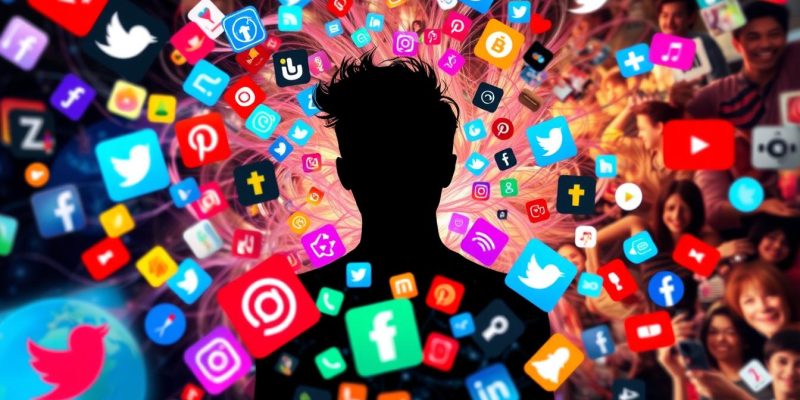
Behind the likes, comments, and perfectly edited photos, many young people are silently battling self-doubt, anxiety, and the relentless pressure to appear successful online.
A young woman posts a picture on Instagram, checks her phone repeatedly, and begins to worry when the likes fail to pour in. Another young man watches videos of his peers showing off designer clothes, luxury cars, and overseas trips, wondering why his own life feels stagnant and ordinary. Meanwhile, a university student scrolls through TikTok until midnight, struggling to stay awake and concentrate in class the following morning.
These everyday scenarios might seem harmless on the surface, but they highlight a growing issue: the relationship between social media and young people’s psychological well-being.
In Zimbabwe, where youth rely on digital platforms to connect, learn, do business, and unwind, social media offers incredible opportunities. However, excessive use and toxic online habits can take a heavy toll on self-esteem, mental well-being, sleep, and real-life relationships.
One of the primary concerns linked to social media is social comparison. Young people are constantly exposed to carefully curated highlights, flawless photos, costly lifestyles, academic milestones, and seemingly perfect relationships. Comparing everyday reality with these polished online images leaves many feeling inadequate.
For example, a student who sees friends posting about new clothes or luxury holidays may feel like a failure, even when making steady progress in their own life. Similarly, a young woman who constantly compares her natural look to heavily filtered photos can quickly develop body dissatisfaction.
Research confirms that social comparison on networking platforms is linked to lower self-esteem. This suggests the core problem isn’t just being online, it is how young people interpret and internalize what they see on their feeds.
For many young people, online engagement has become directly tied to personal value. A post that receives hundreds of likes brings a temporary high, while a post that flops leads to disappointment and embarrassment.
This environment pushes users to seek approval by altering their appearance, exaggerating achievements, or posting content solely to gain traction. Over time, self-worth becomes dependent on virtual validation rather than personal values, meaningful relationships, and real-life accomplishments.
The danger of this reliance is that online approval is completely unpredictable. Algorithms, viral trends, and audience preferences change constantly, making it impossible to build stable self-esteem on likes and comments alone.
Excessive screen time frequently leads to emotional distress, disrupted sleep patterns, and poor focus. Young people who stay up late watching videos or replying to messages often wake up exhausted, struggling through lectures and daily responsibilities.
Cyberbullying presents another major threat. Mean comments, embarrassing photos, and rumors spread rapidly online and stay visible long after they are posted. Someone targeted on a public platform can easily experience deep shame, loneliness, anxiety, and social fear.
However, researchers Odgers and Jensen (2020) advise against viewing digital technology as a one-size-fits-all harm. The relationship between social media and mental health is complex, and its impact depends on individual circumstances, online experiences, and available support systems.
What Can Be Done?
Addressing these challenges requires a combined effort from families, schools, and health professionals:
Parents and Guardians: Encourage open, judgment-free conversations about online experiences instead of resorting to bans or phone confiscation. Young people need to feel comfortable discussing cyberbullying, harmful content, and peer pressure.
Schools and Universities: Expand digital literacy programs to teach students about social comparison, privacy, online harassment, and healthy boundaries with technology.
Young People: Take control of screen time, unfollow accounts that trigger feelings of inadequacy, and prioritize face-to-face social connections.
Mental Health Professionals: Consider problematic social media use as part of a broader picture when evaluating a young person’s challenges, rather than assuming social media is the sole root cause.
Social media is deeply embedded in modern youth culture, but its impact shouldn’t be measured purely by likes, followers, or views. Behind every screen is a real person navigating real insecurities, ambitions, and relationships.
Digital platforms should be leveraged as tools for connection and opportunity, not as a yardstick for personal worth. Ultimately, a person’s value cannot be quantified by online popularity, and a carefully edited feed should never become the standard against which real life is judged.












Comments