

 By
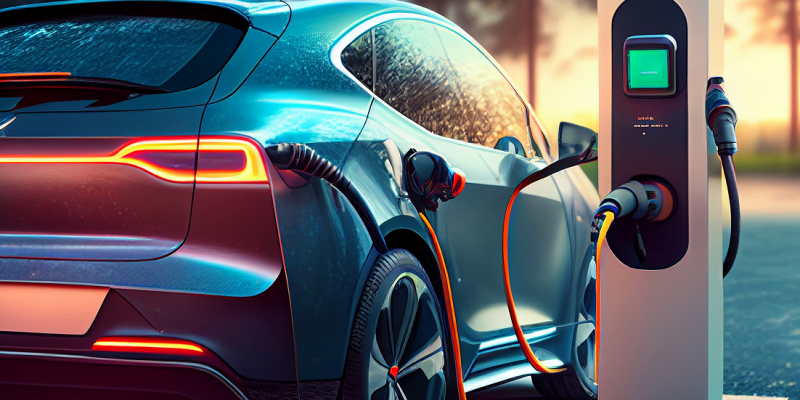
As Zimbabwe rapidly accelerates its transition toward green mobility and sustainable transport solutions, a pressing question remains on the minds of motorists and industry stakeholders: in the event of an accident or unexpected roadside breakdown, who actually fixes electric vehicles?
While the recent rollout of charging infrastructure and the establishment of national bodies like the Zimbabwe Electric Vehicles Association (ZEVA) mark major milestones, the country faces a critical deficit in specialized technical expertise.
Traditional motor mechanics are well-versed in conventional combustion engines, but they largely lack the rigorous, specialized safety and high-voltage training required to safely diagnose and repair modern electric cars and commercial fleets.
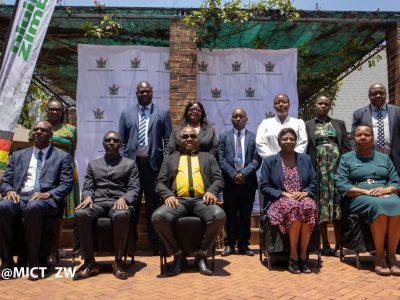
Addressing this urgent concern during the ZEVA launch, government representatives emphasized that higher education institutions must proactively step up to meet emerging industry demands.
Specifically, premier local institutions such as the University of Zimbabwe (UZ) and the Harare Institute of Technology (HIT) have been urged to spearhead comprehensive training programs for engineers and technicians.
Equipping local talent with hands-on skills in high-voltage system diagnostics, battery management, and electronic powertrain maintenance is vital for boosting consumer confidence.
Without a dependable, certified local network of repair shops and specialized roadside assistance units, prospective buyers may remain hesitant to adopt the technology.
Integrating EV-focused engineering curricula into national academic frameworks will not only solve the looming maintenance dilemma but also foster homegrown innovation and green jobs.
By building a skilled workforce capable of maintaining the country’s expanding clean transport fleet, Zimbabwe can ensure that its electric vehicle revolution is robust, sustainable, and entirely self-reliant over the long term.










Comments