

 By
By 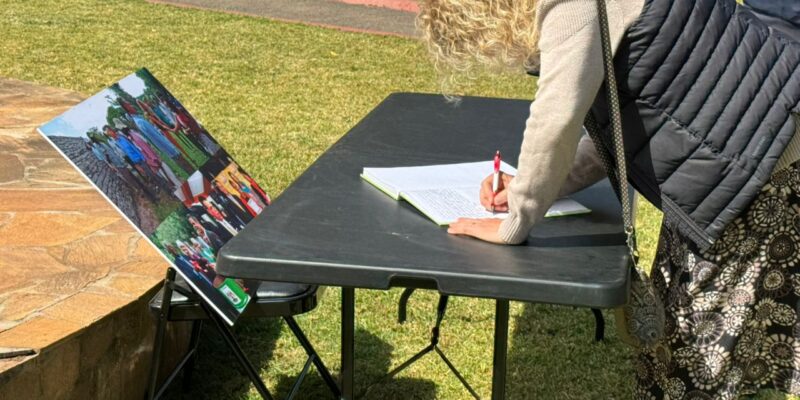
By Ross Moyo
Bruce Wharton treated diplomacy as content, not cables. Former AMH Editor in Chief Vincent Kahiya said:
“He always provided us with news. Some heavy… some very light.” That’s editorial calendar thinking.
He was present at the incident. January 2013 protest: Not “run away” like other diplomats, Kahiya said. He stayed. Then reframed the story: “This is their way of expressing themselves.” That’s crisis comms 101.
He built creator pipelines. Leadership training for journalists in 2012. “Inspire a new generation… to overcome challenges,” he said. Many of those journalists are editors now.
He localized the brand. 38 years longest serving locally employed staff who came to Zimbabwe from the United States on a one year trial and later made Zimbabwe her home, Chloe Clark who retired on Bruce Wharton’s memorial and celebration of life confirmed this:
He “ate lunch… out of the same pot under the trees” with LE Staff. Brought shoes for someone’s mother. Julie taught drama at schools. That’s hyperlocal brand equity.
He used physical space as media. Fourth of July picnics. Award ceremonies. Christmas fun at Century House. Now: ‘Wharton Field’ as a permanent community node. Space = platform.
He funded media infrastructure, not just messaging. VMCZ support when Government said no. That created a voluntary regulation layer that outlived his tenure.
He wrote the narrative in real time. Beattie’s “Adventure Kids” emails, Critters across continents, motorbike runs to Asheville. His life was the story. Julie, Penny, Richard became co-authors.
Amb. Tremont productized it. “We’re going to rename this oil field Wharton Field… a reminder of the work he’s championed in public diplomacy.” That’s legacy as UX.
The CTA still works. “Please enjoy tapas,” his email signature. “Let your life speak,” his memorial ask. In 2026, Bruce Wharton’s brand is still open-source, still forkable.






Comments