

 By
By 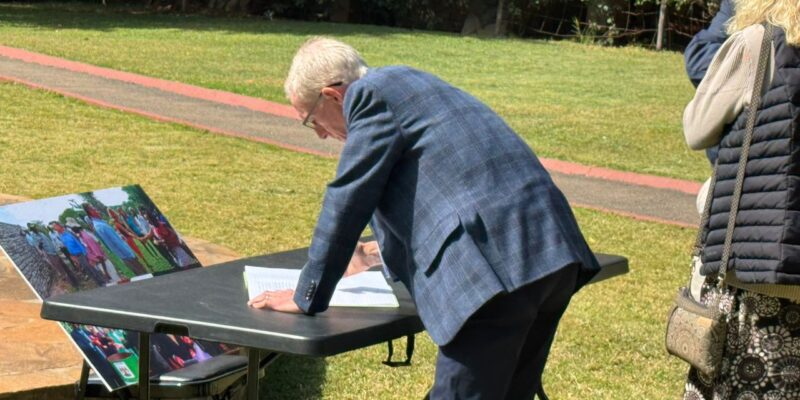
By Ross Moyo
Diplomacy in Harare is often protocol and press statements. Bruce Wharton’s was tea, motorbikes, and Shakespeare. That was the message across 3 hours at Hoyle Field yesterday, now renamed ‘Wharton Field’.
He disarmed by showing up. Primrose Matambanadzo’s opening line: “He wasn’t terrifying as some often think of Ambassadors.” He asked about home life, not policy briefs. For a superpower representative in a complicated post, that is access money cannot buy.
He invested in people, not just programs. The “operator’s licence” he gave staff — “if it’s ethical, if it’s within Mission, and it’s in budget, just do it” — is classic delegation. It created owners, not clerks. Rebecca Zeigler Mano built Education Matters/USAP from that permission.
He courted sectors Washington usually ignores. Carl Joshua Ncube, comedian/chef, was made a de facto “Tourism Ambassador,” taken on bike tours to Victoria Falls. Jestina Mukoko got Embassy funding for ZPP’s human rights documentation. Farayi Mangwende got a Women’s Development Dialogue at the residence. That is coalition building.
He understood media as infrastructure. Vincent Kahiya’s testimony was blunt: Wharton backed voluntary media regulation when “government did not believe in that,” funded training, and did not retaliate when protesters blocked him in 2013. “This is their way of expressing themselves,” he told reporters. Long game.
He treated Locally Employed Staff like assets. Chloe Clark said he learned names, hosted 10-person teas, ate from the same pot, and supported the “Obama Boys” soccer team to four championships. In Embassy terms, that is morale capital.
He used personality as policy. Richard Beattie’s “Adventure Kids” stories — horses, laundromat taxi negotiations, releasing ‘Critters’ across continents — show a man who turned travel into narrative. Julie’s letter thanking Zimbabweans “for riding motorcycles with him” confirms it was deliberate.
The legacy is institutional, not personal. Wharton Field. A US$20,000+ scholarship fund. A USAP grove. A women’s network replicated to Bulawayo. Index cards still quoted on Zoom boards. He exited, but the structures stayed.
Tremont’s rededication says it all. You do not rename an Embassy field after a former Ambassador unless his model worked. Wharton’s model was simple: Know people, trust staff, fund networks, stay when blocked. That is soft power with a hard edge.






Comments