

 By
By 
Econet InfraCo, the infrastructure arm of Econet Wireless Zimbabwe, has been quietly connecting clinics to its base station solar systems at no cost.
This comes at a time where Zimbabwe’s rural health facilities have long struggled with unreliable electricity compromising vaccine storage, emergency procedures and maternal care.
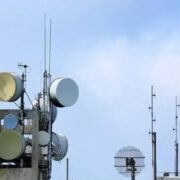
The initiative, which began last year, targets rural clinics and hospitals located within five kilometres of an Econet tower. By tapping into existing solar infrastructure designed for telecommunications, the company is effectively solving two problems at once: which are, keeping its own network running while powering critical public services.
To date, several clinics have already been connected, with Econet working alongside Higher Life Foundation (HLF) to prioritise facilities where power shortages are most acute. The intervention is modest in scale but significant in design. Rather than building standalone solar projects, Econet leverages infrastructure it already maintains, reducing both cost and complexity.
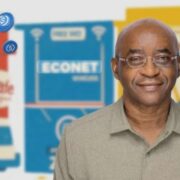
Econet Wireless Zimbabwe’s Group Chief Executive Officer, Dr Douglas Mboweni, said the initiative reflects a philosophy championed by founder and Group Chairman Strive Masiyiwa that companies should play an active role in national development beyond commercial objectives.
“Each of our companies is required by our founder to have its own social impact and philanthropic initiative,” said Dr Mboweni.
“Econet Wireless supports education through Higher Life Foundation’s Capernaum Scholarship programme which, over the last 30 years, has sent more than 400 000 children from disadvantaged backgrounds to school. Liquid Intelligent Technologies Zimbabwe provides free Internet access to universities, and Econet InfraCo has been stepping up to power critical rural services”.
Unlike traditional corporate social responsibility, which often relies on sporadic donations, Econet has embedded these programmes into annual budgets with dedicated staff.
“We set aside money every year as part of our social impact budget and we have full-time staff working on these initiatives. Our commitment goes well beyond one-off donations,” Dr Mboweni added.
The company is now exploring other community infrastructure projects, including the construction of small footbridges over dangerous rivers in remote areas. According to Dr Mboweni, Econet submitted a proposal to the government last year seeking permission to proceed.
“We have the capability to put up small bridges to help women and children cross rivers safely. Our engineers can put them up while attending to base stations. We hope that we will receive the go-ahead to proceed,” he said. Such bridges would improve access to schools, clinics and markets, particularly during the rainy season when rivers frequently cut off entire communities.
Dr Mboweni cited similar initiatives across Africa, including Econet’s collaboration with Lesotho’s royal family on education and health, and Liquid Intelligent Technologies’ free Internet for universities.
“When companies are given a social mission by their leadership, it provides a sense of purpose beyond making money. This has always been at the heart of businesses founded by Mr Masiyiwa across Africa,” he said.




Comments