

 By
By 
The sustainability of Africa’s emerging economies and especially Zimbabwe is increasingly tied to the operational resilience of its Small and Medium Enterprises (SMEs). This structural reality took centre stage yesterday at the Ariel Financial Literacy and Business Summit – Africa, hosted by Ariel Financial Literacy Hub where the discourse focused on the technical integration of financial literacy, inclusion, and business capability as drivers for long-term growth.
The summit addressed a critical friction point in the regional economy. While SMEs are the primary engines of innovation and employment, they often lack the financial architecture required to scale. The event’s core objective was to provide the knowledge base and tools necessary to transition these enterprises from subsistence to sustainable industrialisation.
Sippie Siphiwe Mungaraza the founder and CEO of Ariel Financial Literacy Hub, who brought the event to life addressed the root and starting point of building a financially literate country which is the youths. “ I believe that when you teach them young, that begins a whole generation of financially literate communities and societies”, said Sippie S Mungaraza who is also a multi award winning author strategic finance leader and author of a finance literacy book, Ariel Money Explorers: Evie’s Money and Wealth Adventure. The book is available in English, Shona and isiNdebele and focuses on providing children with pratatical financial knowledge.
The summit delivered financial literacy in an innovative, engaging, and inclusive way, successfully bringing together people from diverse spheres of life. In attendance were young people, educators, SMEs, street vendors representing the informal sector, corporates, and public sector players highlighting the event’s broad reach and inclusive impact.
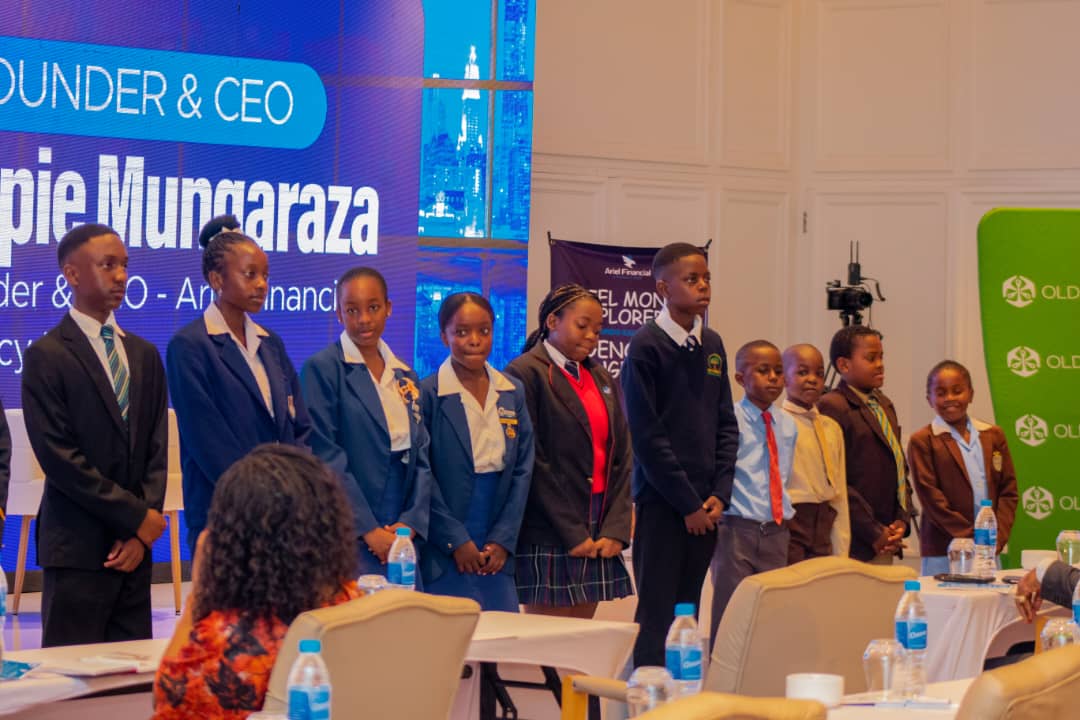
Speaking at the event, the CEO of Ariel Financial Literacy Hub expressed sincere appreciation to Old Mutual for its unwavering support as a key summit partner. The CEO commended the organisation’s leadership and commitment to fostering meaningful collaboration between corporate entities and grassroots initiatives, noting that such partnerships are vital in driving sustainable financial literacy and empowerment.
Gloria Zvaravanhu, Managing Director of Old Mutual Insurance Zimbabwe, delivered a powerful and insightful address on innovative insurance solutions. She emphasised the importance of safeguarding assets, stating, “Everything you purchase, you must ensure,” reinforcing the need for greater awareness and adoption of insurance across communities.
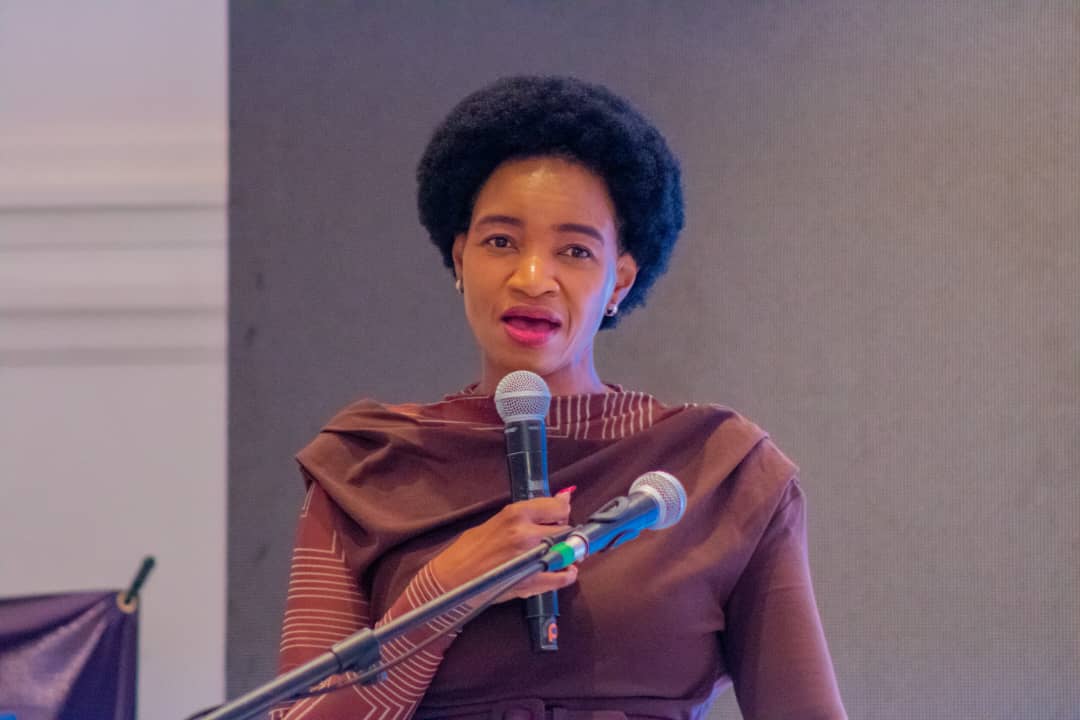
Gloria Zvaravanhu, Managing Director of Old Mutual Insurance Zimbabwe
The summit’s success was also made possible through the invaluable contributions of other partners, including Mealtime, Ollah 7 Podcast, RimLight, Safe Haven, Maverix, Visual Extra Media, Rarebreed, Help a Child, and R Chibaya Law Chambers. Their collective support and commitment played a significant role in bringing the summit to life.
The summit’s agenda was built around a number of distinct work streams designed to strengthen the financial lifecycle of both individuals and institutions. The first was fiscal mindset and strategy. Sessions moved beyond basic accounting to discussing sophisticated personal and business financial strategies. The emphasis was placed on capital growth and wealth preservation, ensuring that entrepreneurs can navigate both local market volatility and international economic shifts.
Coming in second was the need for financial inclusion and literacy. The event served as a platform to bridge the information gap regarding modern financial instruments. By focusing on practical conversations. The summit sought to demystify complex financial systems, making them accessible to youth and women groups traditionally underserved by formal banking structures.
Echoing the sentiment on inclusion of the youths was the Minister of Youth Empowerment, Development and Vocational Training in Zimbabwe, Hon. Tino Machakaire. Hon Machakaire called for accountability and transparency when providing the youths with governmentally funded financial assistance.
A significant portion of the dialogue was dedicated to building inclusive economic systems. This involves creating business models that are not only profitable but resilient enough to support families and communities during broader economic contractions. Representing the key partner Old Mutual Gloria’s great leadership in positioning corporates to work with grass routes initiatives like this
Nigel MK Chanakira Founder Kingdom Private Equity and executive chairman also called for creating wealth not riches, he advised that in order to grow as an individual it is important to have assets not liabilities. “Accumulate wealth that outlives you”, said Mr Chanakira. “There is no way you can ever be wealthy if you don’t drive your earnings”.
Multi award winning CEO Sonia also spoke on a panellist sharing the massages, encouraging especially the young women.
Representing the regulatory and policy side of the ecosystem were Hon. Tino Machakaire, Minister of Youth Empowerment, Development and Vocational Training, and Hon. Paul Mavima, Minister of National Housing and Social Amenities. Their participation highlighted the intersection between financial education and national infrastructure positing that a financially literate citizenry is a prerequisite for successful social and housing programs. Hon Mavima also made a pledge to use his position to help empower the youth.
From the creative, summit panellist South African media executive and actress Sonia Mbele provided an industry specific analysis of financial management. Mbele, widely known for her role in Generations and production work on the Real Housewives of Johannesburg, detailed the financial complexities of the entertainment industry, offering a case study on maintaining liquidity and business continuity in high-risk professional environments. Speaking on the same panel were media personalities Dj Ollah, Madam boss and Caroline Mapunde and Yollanda Chimbarami who all shared the same massage of staying true to one ’self and committing to obtaining financial freedom.
The summit reinforced the principle that social capital is a tangible business asset. By facilitating an environment for meaningful relationships, the event allowed for the exchange of best practices between educators, policymakers, and entrepreneurs. This collaborative atmosphere was intended to foster a more integrated financial ecosystem across the continent.
Ariel Financial Literacy Hub, is an entity focused on the practical application of financial knowledge. The Hub operates on the mandate that financial opportunity should be democratised through education. Its programs are designed to equip entrepreneurs and families with the confidence to utilise financial tools effectively, aiming to move the continental narrative from simple financial awareness to active, informed economic participation.
As the summit concluded, the focus remained on the deployment of these strategies. For the participating SMEs, the challenge now lies in integrating these financial frameworks into their daily operations to ensure they remain the bedrock of a resilient African economy.






Comments