

 By
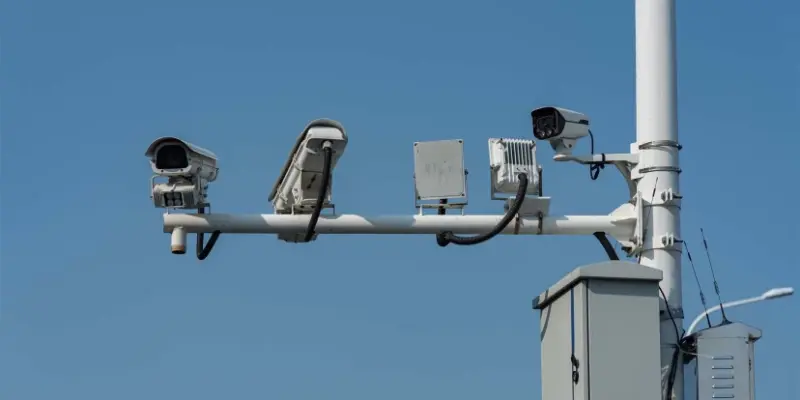
Zimbabwean motorists have started receiving mobile phone notifications for traffic offences recorded by artificial intelligence (AI)-enabled smart cameras, following the full activation of the Zimbabwe Republic Police (ZRP) Smart Traffic Management System (STMS). The platform, now fully functional across selected Central Business Districts (CBDs), has already flagged an astounding 4.8 million road traffic violations.
The ZRP announced that an online platform for motorists to check the status of their violations and settle outstanding deposit fines is now operational. Notifications sent directly to motorists include a link to view video clip evidence of the recorded offense alongside the applicable fine. However, those caught driving through a red traffic light face court appearances rather than options for standard deposit fines.
The system integrates intelligent surveillance cameras, automatic number-plate recognition (ANPR), and central databases alongside mobile control rooms fitted with monitoring equipment.
In a statement, police spokesperson Commissioner Paul Nyathi confirmed the system aims to improve enforcement and safety, assuring the public that no third-party agents have been contracted to collect fines. Motorists were directed to verify and pay outstanding fines exclusively through official portals, www.paymyfines.co.zw and www.paymyfines.gov.zw or at designated traffic police stations.
While the STMS represents a significant technological leap in automated enforcement, its rollout still raises practical questions about the environment in which these AI cameras operate. Drivers in CBDs routinely face complex road conditions where standard digital parameters conflict with physical infrastructure.
Across major intersections, lane markings, pedestrian crossings, and stop bars have completely worn away, leaving no visible boundaries for cameras or drivers to determine exact legal stopping points.
Frequent power outages and maintenance faults mean several intersection signals remain dark or glitching, forcing drivers to navigate junctions without functional electronic guidance.
Traffic police officers are regularly deployed to direct flow at congested intersections. In these instances, motorists are legally required to obey the officer’s hand signals over active traffic lights, often driving through red lights under direct instruction.
These environmental variables raise concerns over whether automated camera systems can distinguish between intentional traffic violations and necessary maneuvers caused by faulty signals, faded lines, or manual police control.
Addressing these realities, police authorities noted that the STMS incorporates internal verification processes.
Captured video footage undergoes human review and validation before official fine notifications are issued. This manual check is designed to filter out false positives such as drivers proceeding through a red light under the instruction of a traffic officer, ensuring fairness while automated enforcement scales up across the country.











Comments