

 By
By 
Converged State owned telecommunications company ,TelOne has recorded 1.1million traffic offenses over its newly installed CCTV traffic system across Harare CBD, which is using AI based packages for offense trigger.
Government has confirmed that the Electronic Traffic Management System (ETMS) — a network of AI-assisted cameras installed at major intersections — has been live and actively recording violations since early this year, even though fines have yet to be issued.
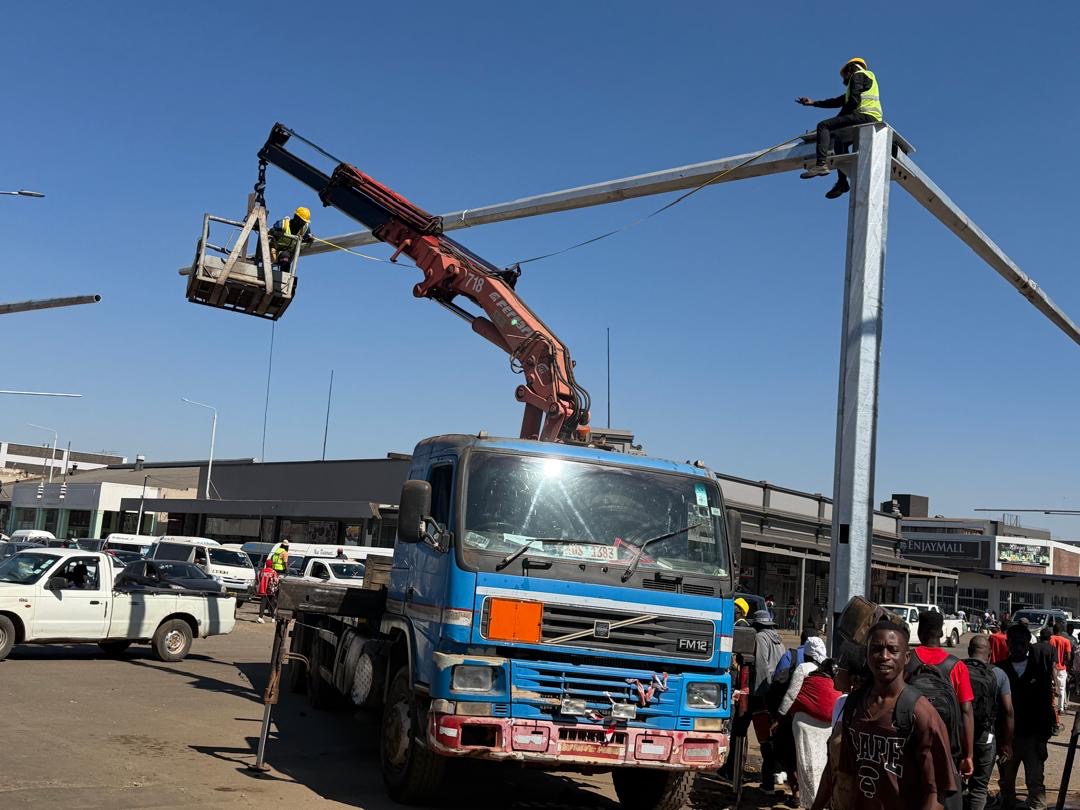
Responding to questions in the Senate on Thursday, Minister Kazembe said the new system has been recording offences since going live early this year and fines shall be back-dated.
“I want to inform the residents of Zimbabwe that the cameras are already effective and they are capturing crimes that are being committed. As we say, ‘a crime never dies’.
The system is being run through the Zimbabwe police, while Treasury is financing and TelOne is the technical partner and they have agreed that there shall be revenue sharing once TelOne completes the project.”
The minister also warned that the traffic’s violations shall be backdated and all offenders will be forced to pay once they start issuing the tickets against the registered vehicles.
How the system works
The cameras are engineered to detect multiple offence types simultaneously: speeding, red-light running, illegal turns, mobile phone use behind the wheel, and seatbelt violations. Each infraction is captured on video, timestamped, and logged into a central offender database alongside the vehicle and driver details — creating a digital evidence trail
According to Permanent Secretary Ambassador Raphael Faranisi, the system has already flagged over 1.1 million recorded violations across Harare’s camera-fitted intersections since deployment began.
Data validation before enforcement
What’s notable from a systems standpoint is that raw camera output isn’t being treated as final evidence. Officials say every flagged violation is passing through a verification layer designed to catch false positives — for instance, incidents where an intersection was being manually directed by a police officer at the time, or where faded road markings could make an automated infraction call unreliable. This human-in-the-loop review process is intended to filter out erroneous captures before any fine is issued, ensuring the automated detections translate into legitimate, enforceable records.
Infrastructure and rollout
The system’s backend is being built and maintained by TelOne, Zimbabwe’s state telecoms operator, under an arrangement that will see revenue from fines shared between TelOne, police and Treasury once a banking mechanism is finalised. That financial/administrative step — not the technology — is the current bottleneck holding back enforcement; the cameras themselves are fully operational and continuously collecting data in the background.
Harare currently forms Phase One of the deployment, with government targeting more than 300 cameras across the capital before extending the network to Bulawayo, Mutare and other urban centres.
The gap between tech and behaviour
Despite the system running live, enforcement lag has created a visible disconnect: at camera-covered intersections such as Jason Moyo/Fourth Street and Julius Nyerere Way/Robert Mugabe Road, kombi and mushikashika operators continue flouting traffic laws in full view of the lenses — banking on the absence of real-time penalties. Once the payment infrastructure is finalised, officials say all recorded offences will be enforced retroactively, using the video evidence already banked in the system.













Comments