

 By
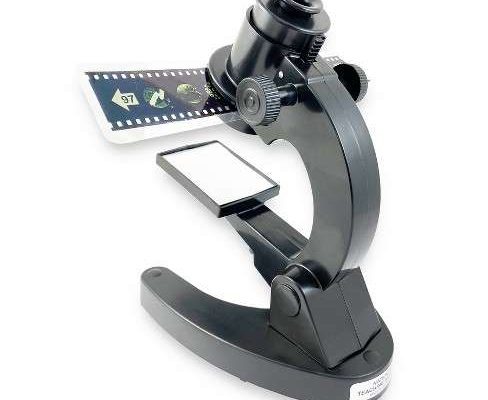
Secondary schools across Zimbabwe are confronting severe operational and financial distress following a sudden nationwide shortage of bioviewers ahead of final national examinations.
The equipment bottleneck has caused purchase prices to surge by over 300 percent, leaving administrators struggling to equip laboratories while raising sharp concerns regarding market manipulation and examination administrative logistics.
The crisis stems from the Zimbabwe School Examinations Council’s (ZIMSEC) protocol of holding back confidential practical instruction sheets until immediately prior to examination dates. Intended to protect paper security, this late release forced hundreds of examination centers into a simultaneous, nationwide rush to source specialized optical apparatus required for biology and combined science practical examinations.
A standard bioviewer—an optical instrument used by students to inspect prepared micro-slides, typically retails between $15 and $20.
However, with hundreds of school buyers descending upon a concentrated group of laboratory suppliers in Harare and Bulawayo within days of each other, vendor prices spiked to between $65 and $90 per unit The remaining market inventory is currently being quoted at even higher rates.
School administrators, science department heads, and School Development Committees (SDCs) point to two structural drivers behind the sudden inflation, information asymmetry, and suspected market manipulation.
Withholding apparatus specifications until the eleventh hour creates instant demand spikes that legitimate supply chains can not absorb through routine inventory channels. School authorities suspect certain equipment vendors anticipate these late instruction drops, deliberately withhold stock, and leverage panic buying to price-gouge educational institutions.
The price spike directly impacts schools operating on finalized, rigid administrative budgets. Science departments now face thousands of dollars in unbudgeted emergency spending simply to outfit examination rooms.
To adapt, several examination centers have been forced to run extra exam shifts or share limited apparatus across candidate batches under tight time constraints.
Education stakeholders warn that hurried viewing rotations and shared equipment increase student anxiety and risk compromising observation accuracy, directly jeopardizing candidate performance on high-stakes national assessments.
To resolve the current shortage and prevent recurrence in future exam cycles, education stakeholders are advocating immediate operational relief and systemic reforms.
Neighboring schools are coordinating staggered shift rotations to share functional bioviewer sets across morning and afternoon sessions under strict security protocols.
Stakeholders are also calling on ZIMSEC regional offices to issue clear directives permitting low-power compound microscopes (4 times or 10 times objectives) as approved substitutes.
Structurally, ZIMSEC is urged to release non-confidential core laboratory equipment lists at the beginning of each academic year so schools can stock standard apparatus well in advance.
The Ministry of Primary and Secondary Education, alongside the National Association of Secondary School Heads (NASSH), is being pushed to implement direct bulk procurement from manufacturers to bypass intermediary supplier monopolies.












Comments