

 By
By 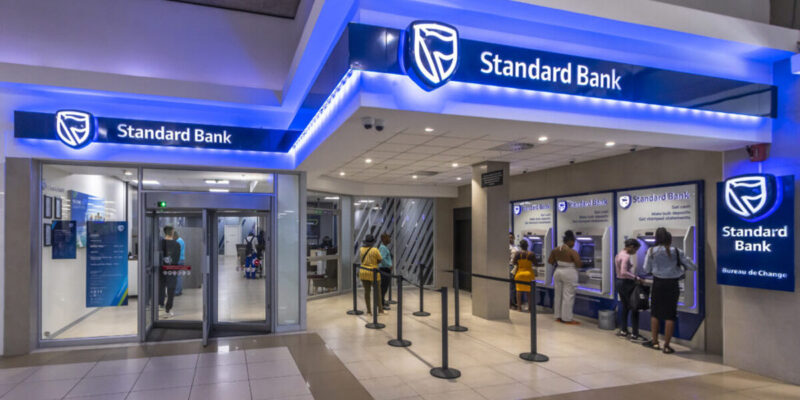
Standard Bank South Africa has announced that it is accelerating the evolution of its branch network in response to shifting customer behaviour, which will see more branches going cashless in 2026. The move marks a significant transition for Africa’s largest lender by assets, as it moves to align its physical footprint with a digital-first banking era.
The bank noted that cash usage is declining across several regions and began repurposing some of its branches in 2025, including removing in-branch tellers. This strategy follows a broader industry trend in South Africa, where physical cash handling is increasingly being shifted to automated and digital channels.
According to the financial institution, the restructuring is a proactive response to the way South Africans now prefer to manage their money.
“Standard Bank Personal and Private Banking is accelerating the evolution of its branch network in response to changing customer behaviour and declining cash usage in certain areas,” the bank stated.
“In 2025, the bank repurposed some of its traditional branches as part of a deliberate shift towards a more modern, efficient, and customer-centric banking model”.
Standard Bank stated that cash services are consolidated into strategically located centralised branches where its cash processing capabilities have been enhanced. This ensures that while individual local branches may no longer house tellers, the infrastructure for high-volume cash handling remains robust in key hubs.
Kabelo Makeke, CEO of Standard Bank Personal and Private Banking South Africa, emphasized that the decision is based on customer behaviour. He noted that the demand for physical teller services is being replaced by a need for more specialized financial support.
“Our customers are telling us very clearly how they want to engage with us,” Makeke said.
“In many areas, cash usage has declined significantly, while demand for advisory-led, digitally-enabled banking, and complex servicing is increasing.”
Makeke explained that Standard Bank’s cashless branch strategy ensures the bank spends money where it matters most, focusing investment on digital innovation and expert advisory services rather than the high overheads of manual cash processing.
Despite the shift away from tellers, the bank is maintaining its commitment to accessibility. For those who still rely on physical currency, alternative options remain available.
“Customers who still require teller-based cash services will be supported through nearby branches that retain these facilities,” said Standard Bank.
“Alternative channels such as ATMs and dedicated cash centres continue to provide convenient options for deposits and withdrawals.”
Makeke emphasised that the evolution is about customer choice, not exclusion. The strategy aligns with the bank’s broader focus on sustainability, operational efficiency, and long-term growth.
“This is about remodelling access points,” he said.
“We are ensuring customers can still transact in cash where they need to, while creating branch environments that are more relevant to modern banking needs.”
Standard Bank joins Absa in moving away from traditional cash-heavy branches. There have been reports that Absa was converting its branches to sales and service outlets in South Africa. The bank’s primary objective is to align with a future-fit operating model that meets the needs of the communities and the customers it serves.
Absa confirmed that its strategy includes moving away from cash-heavy branches and investing in a fleet of new mobile branches to extend its reach, ensuring that even as traditional formats change, banking remains accessible to all.








Comments