

 By
By 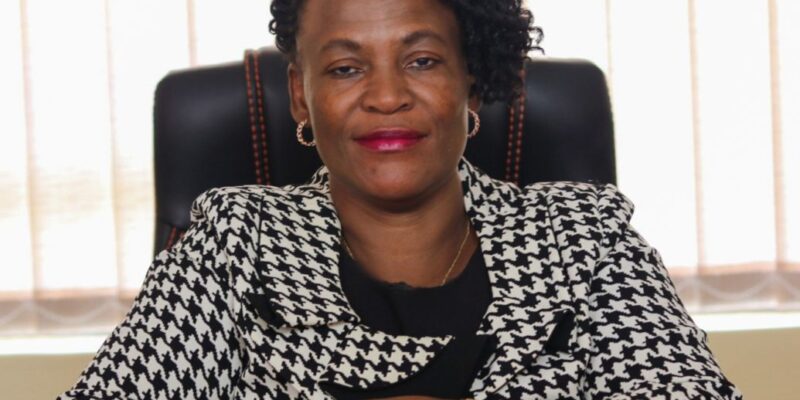
 By Ross Moyo
Mounting questions over governance, transparency and compliance with labour laws
HARARE – The Association of Healthcare Funders of Zimbabwe (AHFoZ), the umbrella body representing the country’s medical aid industry, is facing mounting questions over governance, transparency and labour compliance following the attachment of its assets to satisfy a court-ordered unfair dismissal award exceeding US$37,000.
At the centre of the controversy is AHFoZ chief executive officer Shylet Sanyanga. Court documents seen by this publication show that the organisation was ordered to reinstate and compensate two former employees – former public relations officer Wadzanayi Chiweshe and former receptionist and CEO’s personal assistant Monica Garande – after an independent arbitrator found that they had been unlawfully dismissed.
The dispute escalated after AHFoZ failed to promptly comply with the ruling. An arbitral award issued on June 16, 2025 quantified compensation at US$37,306.94. The High Court subsequently ordered the association to pay the amount with immediate effect.
Sources familiar with the matter said delays in compliance triggered enforcement action, resulting in the Sheriff of the High Court moving to attach AHFoZ property to recover the outstanding sum.
The sheriff reportedly issued a 48‑hour ultimatum for payment, bringing the dispute into the public domain and threatening to disrupt the association’s operations.
The matter arises from the termination of the two employees’ contracts in February 2024. In July 2024, the court ruled that the dismissals were unlawful and ordered reinstatement with compensation. During arbitration proceedings, AHFoZ initially acknowledged that the terminations were unlawful but later attempted to introduce a fresh argument that the dismissals were fair. The arbitrator rejected the attempt, ruling that his mandate was limited to quantifying compensation, thereby confirming the award.
Chiweshe said she was relieved by the outcome but criticised what she described as an unnecessarily protracted process.
“I’m happy with the outcome of the arbitration process. It was fair and just,” she said. “There was no due process undertaken upon my dismissal. We tried to settle this matter out of court, but there was serious reluctance from management to conclude it amicably.”
Garande described her dismissal as abrupt and traumatic.
“I’m pleased that finality has been brought to this matter,” she said, adding that the working environment had been hostile. “On January 24, 2024, I was asked to resign and, when I sought clarification, I received a dismissal letter within 20 minutes.”
She said the loss of income had severe consequences for her family, including disrupting her children’s schooling.
Beyond the individual cases, sources within AHFoZ said the dispute reflects deeper governance and labour challenges within the organisation. Board members, speaking on condition of anonymity, alleged that the full implications of the court rulings were not adequately disclosed to the board, contributing to delays in compliance.
AHFoZ board chairman Stanford Sisiya was said to be reluctant to confront longstanding internal issues. Sanyanga, who has led the association since 2008, was described by sources as wielding significant influence due to her lengthy tenure, which they allege has at times weakened internal accountability mechanisms.
The developments have raised concerns about oversight within an organisation that represents entities managing substantial healthcare funds. AHFoZ has also experienced significant staff turnover, with internal figures indicating that more than 70 percent of staff left the organisation between January 2023 and June 2025.
Efforts to obtain comment from Sanyanga, who was recently appointed to the board of the government-owned National Pharmaceutical Company (NatPharm), were unsuccessful. Chairman Sisiya could not be reached for comment.











Comments