

 By

For rural communities in Zimbabwe, access to timely medical attention can mean the difference between life and death. Medical emergencies such as snakebites, food poisoning, severe blood pressure complications, dangerously high or low blood sugar, epileptic seizures, accidents and complications affecting infants often require urgent intervention. Without prompt medical attention, some of these conditions can become life-threatening within minutes or hours.
Yet, for many rural residents, accessing basic healthcare remains a major challenge.

A headache, toothache, eye injury or unexplained swelling of the feet may appear minor at first, but can signal an underlying condition requiring medical assessment. While people in urban areas may have relatively easier access to pharmacies, clinics and hospitals, rural communities often face long distances and limited healthcare services.
For some villagers, reaching the nearest health facility means travelling between five and 20 kilometres, sometimes without access to a private vehicle or an ambulance. In remote areas, limited transport options can make an already urgent medical situation even more difficult, with some communities relying on ox-drawn carts or wheelbarrows to transport sick or injured people.
These challenges highlight the importance of early intervention, accessible primary healthcare and reliable emergency referral systems, particularly in communities where distance and transport limitations can delay treatment.
Technology Takes Healthcare Closer to Rural Communities
A new intervention, the Presidential Ward-Based Primary Health Programme, is seeking to address some of these barriers through community-based healthcare delivery and digital health solutions.
The initiative, a brainchild of First Lady Amai Auxillia Mnangagwa, is being implemented through ZimSmart Villages, with support from the ZANU PF Department of Health and NetOne’s OneHealth as the technical and sponsoring partner.
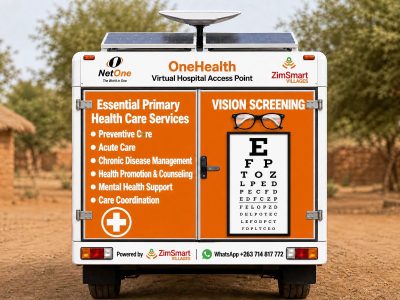
At the centre of the intervention are mobile health kiosks and the Mudhumeni weHutano initiative, which are designed to bring healthcare services and health information closer to rural communities.
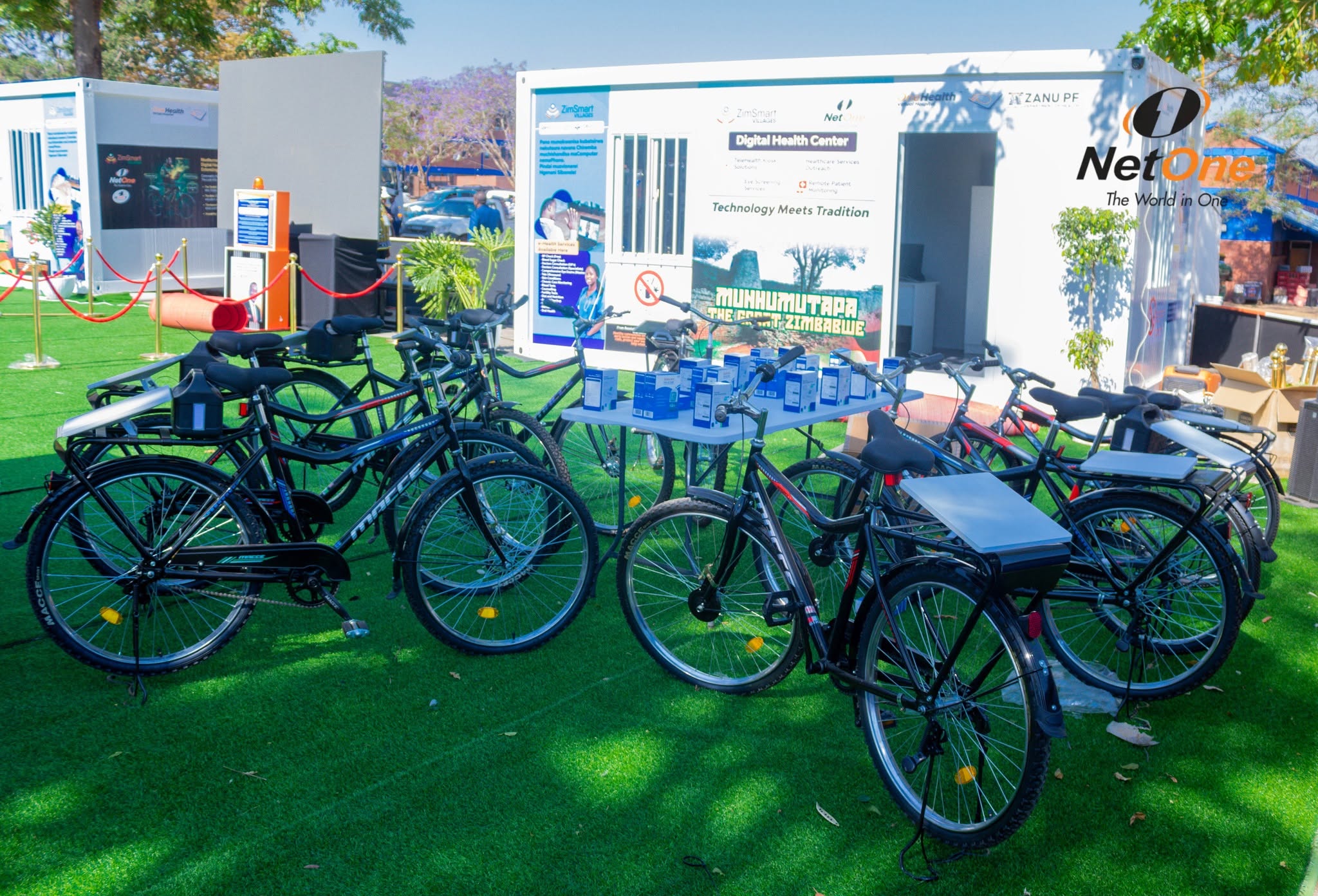
By combining digital technology with community-level health support, the programme aims to improve access to primary healthcare, strengthen health education and connect underserved populations with qualified healthcare professionals and established medical facilities.
The initiative could prove particularly important for rural households where distance, transport costs and limited access to medical services often delay the seeking of treatment.
Telemedicine at the Centre of the Model
ZimSmart Villages is using digital health capabilities to develop the technical and operational model behind the mobile kiosks. The approach integrates telehealth services, community health workers and referral pathways to connect patients in underserved areas with healthcare professionals.
The model seeks to make medical guidance more accessible while helping communities navigate the healthcare system and obtain referrals when further investigation or treatment is required.
The programme’s development builds on earlier pilot work in the Pre-Cab Farm community, where telemedicine facilities were already tested over the past two years. Its co-founder, Dr Admore Jokwiro, has been passionately pursuing the health agenda, piloting telemedicine initiatives more than a decade ago in Nyanga
The transition towards broader implementation marks a significant development in the programme’s evolution, placing digital health and community-based healthcare delivery at the centre of efforts to improve rural access.
A Community-Based Approach to Primary Healthcare
The mobile health kiosks and Mudhumeni weHutano initiative are intended to do more than provide access to digital consultations. They also offer an opportunity to strengthen community awareness of disease prevention, early identification of health risks and the importance of seeking timely medical attention.
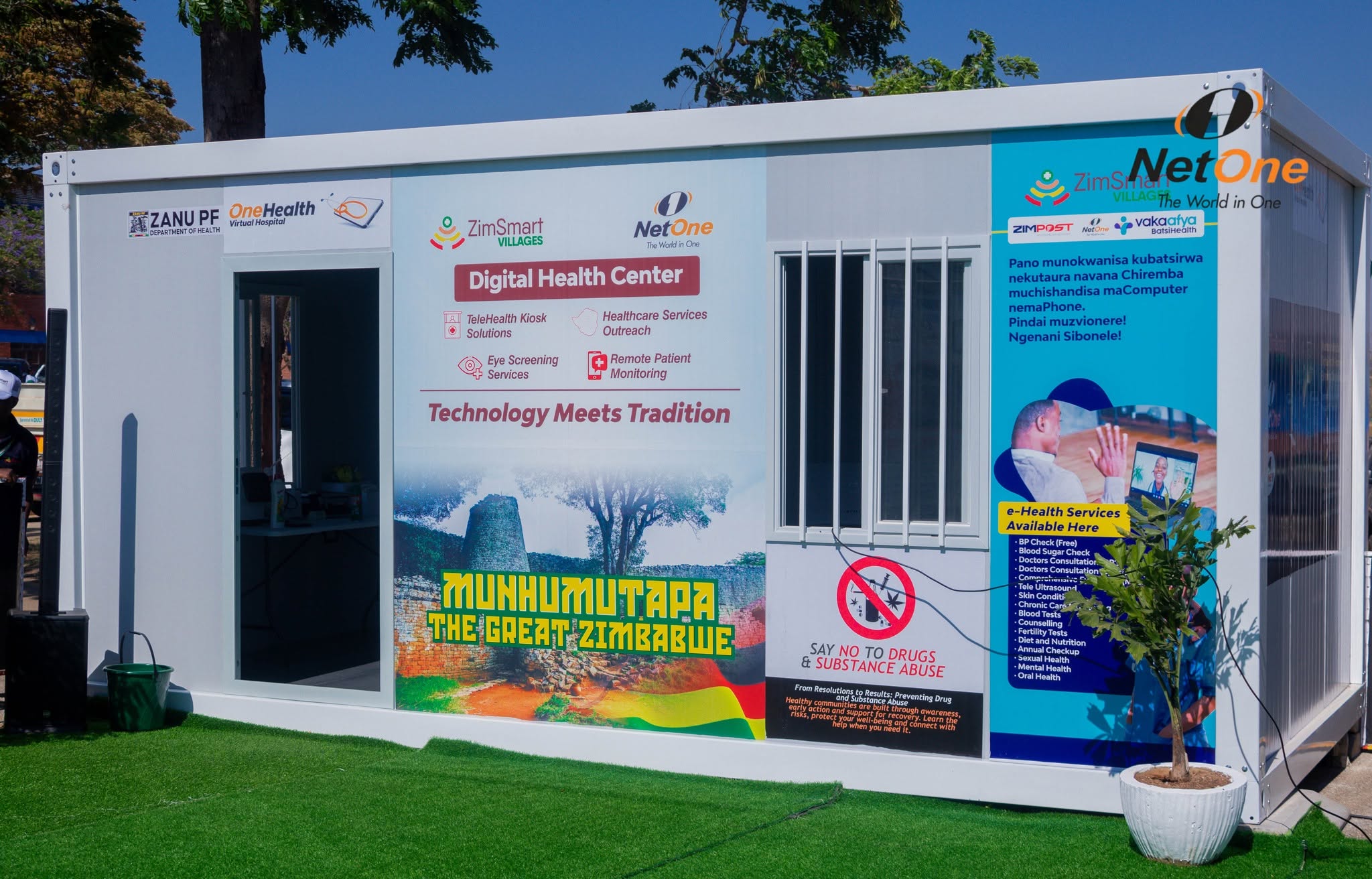
If effectively implemented and supported by trained personnel, appropriate medical equipment, reliable connectivity and functioning referral systems, such interventions could help reduce delays in accessing healthcare.
However, telemedicine is not a substitute for physical examination, emergency transport or hospital treatment when these are necessary. The success of the model will depend on how effectively it connects communities to qualified medical practitioners and the wider healthcare system.
For emergencies such as severe poisoning, serious injuries, breathing difficulties, seizures that require urgent intervention or complications affecting infants, immediate medical assessment and appropriate emergency care remain essential.
Technology as an Enabler of Healthcare Access
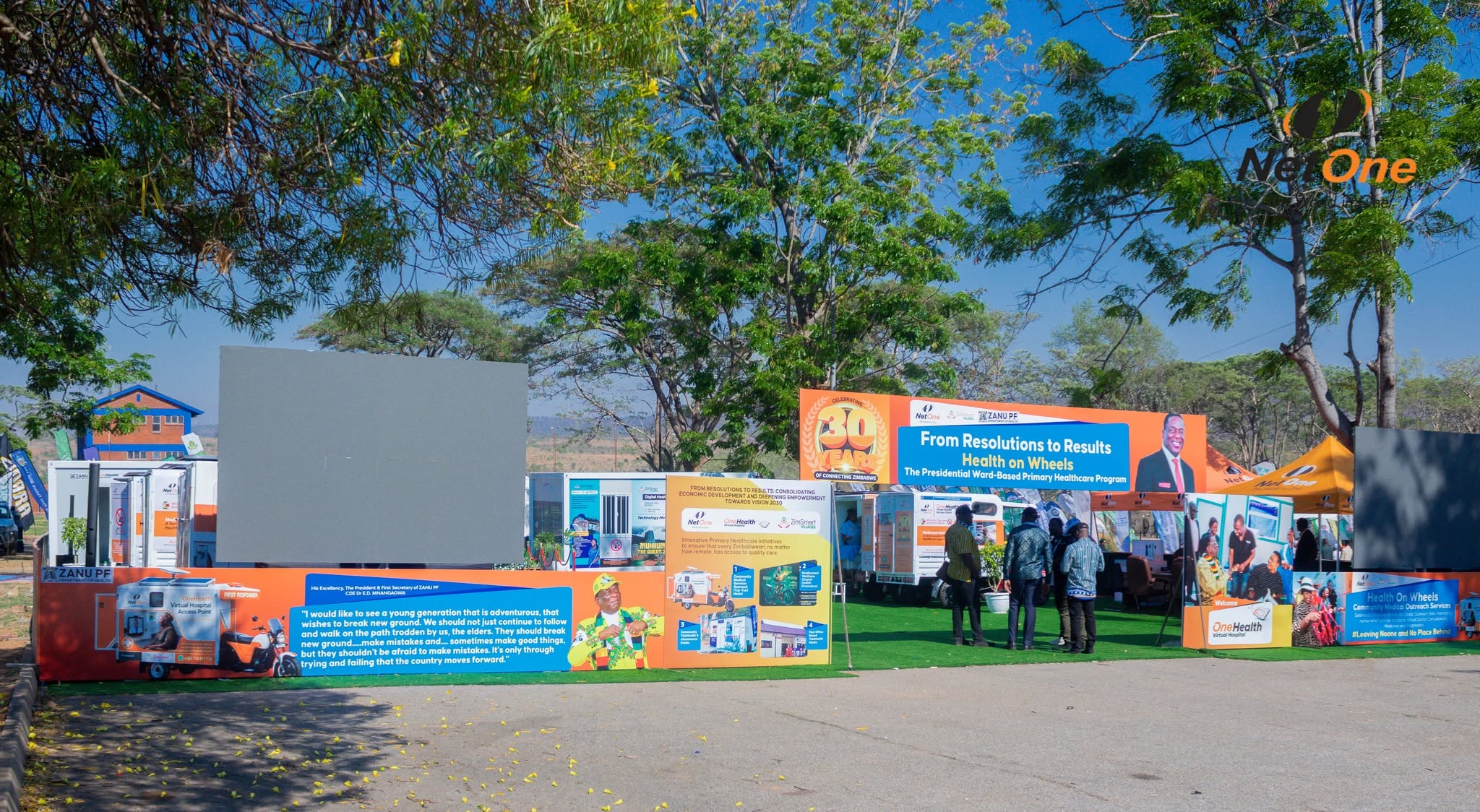
Chief Medical Officer for ZimSmart Villages, Mr Admore Jokwiro, said the initiative demonstrates how technology can help overcome geographical barriers to healthcare access.
The approach reflects a growing role for digital innovation in addressing service-delivery challenges, particularly in communities that have historically struggled to access essential services.
As Zimbabwe continues to explore technology-driven approaches to healthcare, initiatives that combine telemedicine, community health support and effective referral systems could provide an important pathway towards more inclusive primary healthcare.
For rural communities, the ultimate measure of success will be whether these services translate into earlier medical intervention, improved access to qualified healthcare professionals and better health outcomes.
TechnoMag Perspective: Digital health innovation has the potential to narrow Zimbabwe’s rural healthcare gap. The priority must be ensuring that technology is backed by trained health personnel, reliable infrastructure, accessible emergency services and sustainable implementation, so that no community is left behind.











Comments