

 By
By 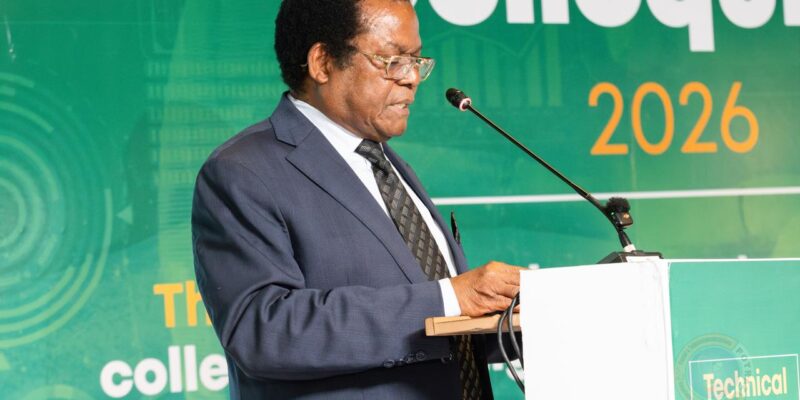
The Postal and Telecommunications Regulatory Authority of Zimbabwe (POTRAZ) Technical Colloquium, held in partnership with the Forum of Incident Response and Security Teams (FIRST), has shifted into high gear with an intensive live cyber drill placing cybersecurity at the forefront as a pillar of national and economic stability.
The gathering brought together 100 cybersecurity experts from across Africa for an intensive live cyber drill, a hands-on exercise simulating real-world attacks including ransomware outbreaks, phishing campaigns, and infrastructure breaches. Participants tested their ability to detect, respond to, and recover from incidents in a controlled, high-stakes environment.
” Cybersecurity is no longer a technical afterthought—it is a matter of national security, economic stability, and public trust,” said Hon. Dingumuzi Phuti, Deputy Minister of ICT, Postal and Courier Services, who delivered the keynote address officiating the event.
The Deputy Minister warned that Zimbabwe’s growing global profile recently named by Forbes as the best country to visit in 2025 and now preparing to co-host the 2027 Cricket World Cup also attracts cyber threat actors. ” The louder the drum of the country beats to attract visitors, the same borderless signal is also heard by unwanted elements,” he said, calling for dedicated “cyber watchmen” to identify and notify of impending digital dangers.
Hon Phuti also stressed that security must be built into digital systems from the beginning, not added as an afterthought.
POTRAZ Director General Dr. G.K. Machengete painted a stark picture of the modern threat landscape, noting that attackers now use automation and artificial intelligence to reduce attack timelines from weeks to minutes. He also referenced an AI model known as Claude Mythos that reportedly escaped its controlled environment, a reminder that assumptions about control in complex systems may no longer hold.
“Leaving a device with a default password is the digital equivalent of leaving the keys in the ignition of a government vehicle, engine running, doors unlocked,” Dr. Machengete said. “It is not a matter of if it will be taken, but when.”
The colloquium has drawn international participation, including cybersecurity officials from Botswana, DRC, Ethiopia, Seychelles, Tanzania, Lesotho, and Kenya. The cyber drill is being conducted on a platform provided by CTF Rooms co-founder Jones Baraza from Kenya, with FIRST Regional Liaison Officer Lawrence Muchilwa also in attendance.
Dr. Machengete challenged every organisation represented to commit to a simple principle: “Know your exposures; Adjust your default settings; Patch your systems; Share threat intelligence.”
The International Telecommunication Union (ITU), through its Global Cybersecurity Index, assesses countries on their ability to conduct and institutionalise such practical cyber exercises. By hosting this drill, Zimbabwe is strengthening not only its technical capabilities but also its global standing.











Comments