

 By
By 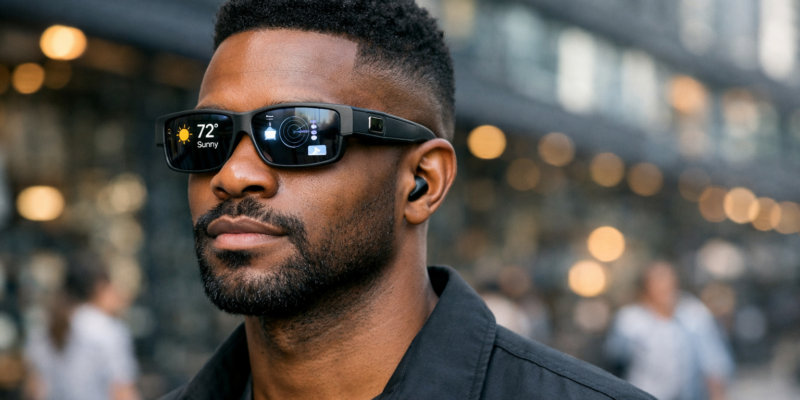
AI-powered smart glasses from Meta, Google, Apple and others are moving digital tasks from phones directly into a wearer’s field of view.
These devices now integrate large language models, visual search and real-time translation, making hands free computing practical for both consumers and workplaces.
Consumer models such as Ray-Ban Meta focus on social features, video capture and conversational voice assistants.
Meanwhile, Google and Apple continue pushing toward deeper augmented reality experiences for work and spatial computing.
Smart glasses can translate spoken or written language almost instantly, overlaying subtitles in the user’s view, though support for many African languages remains limited.
Computer vision tools let users point at an object to get instant facts, prices or historical context, making the technology useful for retail and tourism.
In industry, AR overlays guide technicians step-by-step through repairs, reducing errors and speeding up training.
In Zimbabwe’s utilities and manufacturing sectors, the tech can help fill gaps caused by shortages of specialised technicians. Remote support features also allow experts to view a technician’s perspective and annotate it live cutting travel costs and repair times for firms in Harare.
Battery life remains the biggest challenge, as cameras and onboard AI drain power quickly.
Privacy concerns are also growing, with advocates warning about covert recording and biometric data collection. A lack of a mature AR app ecosystem further limits widespread adoption.
Despite these hurdles, smart glasses are rapidly evolving and reshaping how people access information in everyday life and at work.











Comments