

 By
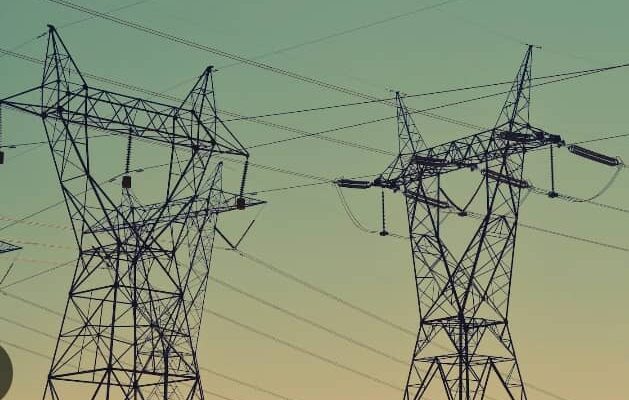
State power utility ZESA Holdings recently posted a notable operating profit of $139.3 million for the first half of 2026, yet domestic power production continues to show limited growth across its primary generation facilities.
Daily generation figures published by the Zimbabwe Power Company (ZPC) highlight the constrained capacity. Accordingto reports, total nationwide output stood at 1,501MW with Hwange Thermal Power Station supplying the bulk at 1,035MW, Kariba Hydro Station contributing 415MW, and Independent Power Producers (IPPs) supplying 51MW. Overall output remains capped around 1,500MW on average. Kariba continues to operate at a reduced fraction of its installed capacity due to water allocation restrictions and unfavorable rainfall forecasts.
Despite static state generation, the severe load shedding experienced in previous years has eased. The lower pressure on the national grid stems primarily from a shift in consumer behavior rather than a major surge in ZESA’s output.
Faced with past instability, a growing number of Zimbabwean households and businesses have taken energy production into their own hands through investments in off-grid solar systems and net-metering setups.
This continuous migration to distributed solar energy has lowered peak demand on ZESA’s primary network. While state-backed generation remains constrained by hydrological limits at Kariba, the rapid expansion of private renewable systems is reshaping national energy consumption patterns.
As the power ecosystem shifts toward decentralized solar solutions and ZESA stabilizes its balance sheet, a practical question remains for local consumers: have you seen a spike or a drop in your electricity bill since the year started?









Comments