

 By
By 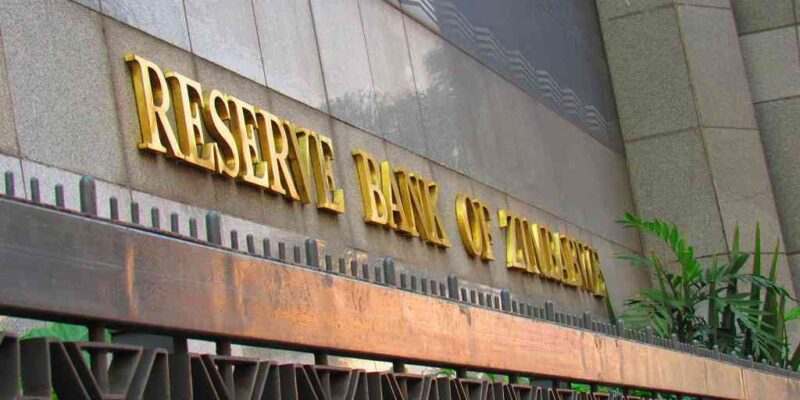
The Reserve Bank of Zimbabwe (RBZ) has cut its Bank Policy Rate from 30 percent to 27.5 percent with immediate effect, citing continued price stability, a stable exchange rate and improved economic conditions.
The decision was announced after the Monetary Policy Committee (MPC) meeting held on September 28, 2026, as the central bank moves to support economic growth while maintaining price stability.
The latest reduction brings the cumulative cut in the Bank Policy Rate to 7.5 percentage points since June 2026.
The MPC also reduced the interest rate on the Targeted Finance Facility (TFF) from 15 percent to 12.5 percent, while maintaining a cap of 22.5 percent on banks’ all-inclusive lending rates to productive sectors.
According to the RBZ, the measures are intended to support the economy’s growth prospects while ensuring that inflation expectations remain anchored.
Annual ZiG inflation declined to 2.9 percent in August, its lowest level since 1980, before increasing moderately to 3.7 percent in September.
Month-on-month inflation averaged 0.4 percent between January and September, translating to an annual average inflation rate of about four percent.
The central bank said annual inflation was therefore expected to remain in single digits and below seven percent by the end of 2026.
The MPC maintained statutory reserve requirements at 30 percent for demand deposits and 15 percent for savings and time deposits, while minimum interest rates on savings and time deposits were also retained at their existing levels.
The central bank said the reduction in the policy rate should not be interpreted as monetary easing, but as part of a gradual normalisation of monetary policy following improved macroeconomic stability and better-anchored inflation expectations.
The RBZ said Zimbabwe’s economy remained on course to achieve its initial five percent growth target for 2026, supported by strong performances in mining and agriculture.
Foreign currency inflows increased by 37.8 percent to US$14.3 billion in the period to August 2026, up from US$10.3 billion during the corresponding period in 2025.
The increase was attributed largely to stronger export earnings, particularly from mining, as well as diaspora remittances.
Foreign currency reserves backing the ZiG exceeded US$2 billion in September, equivalent to about two months of import cover, while increased foreign currency inflows have supported availability of foreign exchange on the interbank market.
The RBZ said the exchange rate had consequently remained relatively stable within the ZiG25-ZiG27 to US$1 range during 2026.
The MPC also highlighted increased uptake of the ZiG-Denominated Term Deposit Facility during the second quarter, saying the facility had supported the development of a short-term yield curve for local-currency instruments and encouraged domestic savings.
However, the central bank warned that monetary policy would continue to be guided by prevailing financial and monetary conditions, with risks including geopolitical tensions, climate-related shocks and forecast El Niño conditions during the 2026/27 agricultural season.
The MPC said it would continue balancing inflation and growth risks while monitoring economic developments in the short to medium term.













Comments