

 By
By 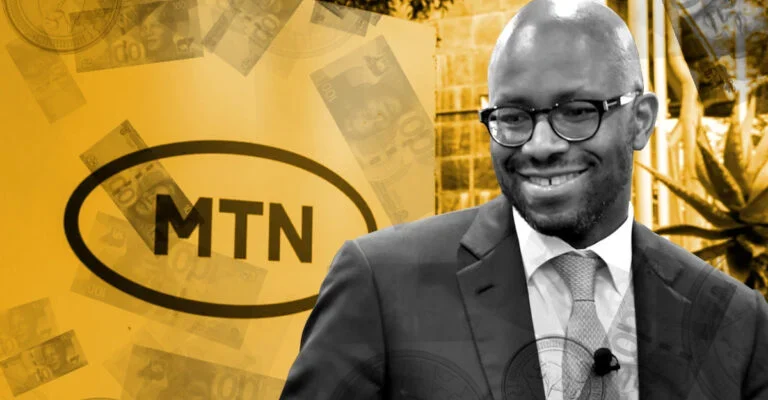
By Ross Moyo
Zimbabwean-born MTN Group CEO Ralph Mupita says any return to stability in the Middle East would be “good news for MTN”. The comment follows U.S.–Iran negotiations that include terminating all sanctions against Iran.
Mupita has been blunt about MTN’s Iran problem since 2020. “You cannot take money in, and you cannot take money out,” he said. He called the 49% stake in Irancell a “frozen asset” as U.S. sanctions block dividends, repatriation, and even exit.
The numbers show the freeze. U.S. sanctions imposed on 20 September 2019 locked R2.3 billion of MTN’s money inside Iran. OFAC targeted Iran’s Central Bank over alleged funding of the IRGC and Hezbollah after strikes on Saudi Arabia.
MTN’s strategy since 2020 has been to leave the Middle East. It has already divested Syria, Afghanistan, and Yemen. Iran is the last trap. Mupita said MTN is stuck between abandoning the business or “hoping for better days”.
The risk is getting worse. Since 2025 the Iranian Rial weakened 45% against the dollar, hitting 1.6 million rials per USD. Irancell keeps operating, but MTN’s share of earnings dropped 32% to R3.2 billion. Outstanding receivables fell from R2.8 billion in 2024 to about R2.3 billion by December 2025 — a R500 million value burn.
Paragraph 7 of the U.S.–Iran memorandum of understanding is what Mupita is watching. It commits the U.S. to “terminate all types of sanctions” on an agreed schedule. For MTN, that schedule is the difference between write-off and recovery.
Mupita was seen on mainstream media saying MTN has no staff on the ground and won’t speculate. But his public stance is clear: sanctions relief equals balance sheet relief. If cash moves again, MTN can finally exit Irancell cleanly as planned.
For Zimbabwe, Mupita’s position matters. He’s the first Zimbabwean to run a global telecom of MTN’s scale. His handling of Iran shows how sanctions hit African firms even when they’re minority investors with no operational control.
If the U.S. follows through, MTN gets liquidity and Mupita gets closure on the last Middle East asset. Until then, R2.3 billion stays frozen — proof that geopolitics is now telecoms risk.





Comments