

 By
By 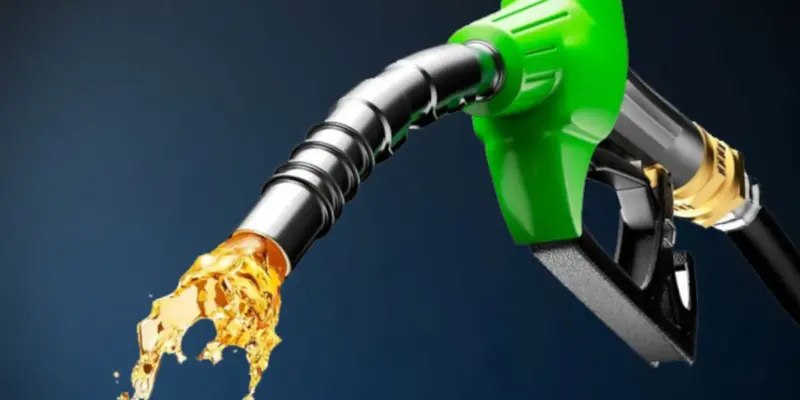
The Zimbabwean government has commissioned private company Green Fuel Zimbabwe to formally begin trials to blend diesel with ethanol in a bid to lower fuel prices and reduce reliance on imports, even as motorists continue paying significantly more at the pump than their regional neighbours.
The government confirmed on 3 May 2026 that experiments are already underway. The trials are focused on determining appropriate blending ratios, assessing compatibility with local vehicle engines, and evaluating the long-term viability of ethanol-diesel fuel systems under local conditions.
Energy and Power Development Minister July Moyo said the project remains at an early stage, with no start date set for full implementation.
“We have started experiments, and they are being carried out by Green Fuel. For now, there is no timeline for when this will begin, but the results of the trials will guide what happens next,” he said.
Minister Moyo added that increased ethanol production will play a key role, noting that the new sugarcane plantations in Chisumbanje, Mwenezi and Chiredzi will also help support the fuel blending projects.”
The minister linked the move to global fuel price increases, particularly following tensions in the Middle East earlier in 2026. “This is actually a good initiative, as it helps lower the price of the commodity,” he said.
Referring to previous petrol blending changes, he noted that when Zimbabwe shifted from E5 to E20, the price decreased by US$0,15 per litre. Recent figures show blended petrol prices dropping from US$2,23 to US$2,08 per litre, while diesel prices declined slightly from US$2,11 to US$2,09.
Despite these adjustments, Zimbabwe’s fuel prices remain significantly higher than those in neighbouring countries. Zambia reduced fuel taxes from 31 March 2026, with petrol now around US$1,42 and diesel about US$1,56 per litre. Namibia and South Africa have also introduced temporary measures to ease fuel costs.
Globally, ethanol blending has mainly been applied to petrol, with diesel-ethanol mixes remaining relatively rare. Zimbabwe’s programme now joins a small group of nations experimenting with this approach, though officials stress that no rollout timeline has been confirmed.
However, economists have warned that blending diesel with ethanol on its own would not solve Zimbabwe’s fuel pricing problems. This is because the bulk of the final pump price roughly four-fifths comes from the cost of importing the fuel and shipping it to the country. Even before the government adds its own levies and taxes, Zimbabwe’s fuel is already more expensive than what is sold in neighbouring countries such as Zambia, Botswana, and South Africa.











Comments