

 By
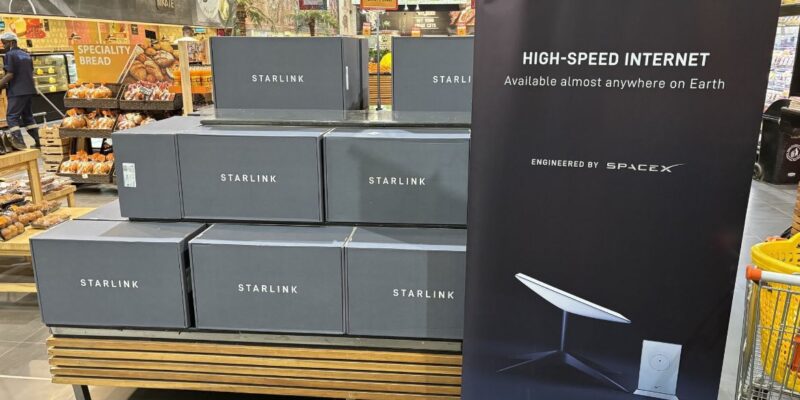
Zimbabwe is one of nine African countries set to benefit from a major $1 million grant initiative by SpaceX, which will see over 500 Starlink satellite internet kits distributed to childcare institutions across the continent.
Under the programme, 11 Starlink kits have been allocated specifically to Zimbabwean facilities, aimed at modernising child protection records and accelerating family reunification efforts.
The initiative, executed in partnership with the non-profit organisation Both Ends Believing (BEB), will deploy a total of 549 kits across nine African nations.
Alongside Zimbabwe’s allocation of 11 units, Nigeria will receive the largest share with 210 kits, followed by Uganda with 106, Sierra Leone with 55, Malawi with 53, Zambia with 45, Ghana with 28, Kenya with 27, and Botswana with 14.
For many residential care facilities across Zimbabwe and the broader region, the lack of reliable internet infrastructure has long hindered administrative efficiency and child welfare tracking.
High-speed satellite connectivity is expected to bridge this digital divide, enabling local homes to transition away from vulnerable paper-based filing systems to secure, digital platforms.
“Every child deserves to be visible, protected, and connected to family and opportunity, and reliable internet access is often the missing piece,” said Bruce Graham, President of Both Ends Believing, in a statement.
“You cannot reunify a child you cannot find, and you cannot inspect a facility you do not know exists.”
The urgency of improving digital infrastructure in the sector is underscored by continental data.
According to the African Committee of Experts on the Rights and Welfare of the Child (ACERWC), approximately 35 million children in Africa lack parental care, part of an estimated 5.4 million children living in institutions globally.
A 2023 continental study by the ACERWC also revealed that more than 70 percent of African nations lack comprehensive policy frameworks to adequately protect children without parental care, pointing to critical gaps in national data collection and monitoring systems.
Highlighting the day-to-day realities faced by care operators, Sandra Chikan, Vice President for Northern Nigeria at the Association of Orphanages and Homes Operators in Nigeria (ASOHON), noted that physical documentation remains a major vulnerability. “In many of our homes, a child’s information is still kept in paper files that are easily damaged or lost,” Chikan stated.
“Starlink removes that barrier. It means records kept up to date, relatives who can be traced, and more children with the chance to grow up in safe, stable and permanent families.”
To ensure smooth adoption, BEB confirmed that SpaceX will cover the cost of the hardware, shipping, installation support, and 12 months of high-speed internet service completely free of charge.
Looking beyond the initial rollout, participating institutions in Zimbabwe and the other eight countries will be eligible for Starlink’s subsidised impact plan once the first year concludes.
While facilities are generally expected to manage ongoing subscription costs thereafter, Graham told FORBES AFRICA that BEB is actively seeking additional funders to help cover those expenses on behalf of the homes.












Comments