

 By
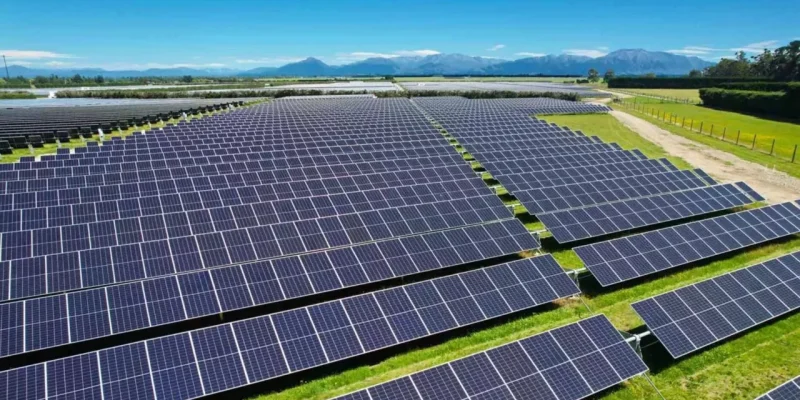
The Zimbabwean government has introduced sweeping regulations to curb substandard equipment and unvetted workmanship across the booming solar market.
Published on November 20, 2026, Statutory Instrument 187 of 2026, the Energy Regulatory (Solar Products and Installation) Regulations, will take effect six months later, around May 20, 2027. Under the framework, the Zimbabwe Energy Regulatory Authority (ZERA) will register solar models, license installers, and audit installations nationwide.
Manufacturers and importers must register every solar model online with ZERA before sale, submitting test reports, warranty terms, and a Consignment-Based Conformity Assessment (CBCA) certificate.
CBCA is a pre-shipment verification check confirming imported goods meet required standards before arrival, while International Electrotechnical Commission (IEC) standards alongside Zimbabwean standards, set technical benchmarks for safety and performance.
ZERA will decide on applications within 21 days and publish an approved product register.
Installers of solar photovoltaic (PV) and thermal systems must obtain 24-month licences across four tiers, ST1 to ST4.
Entry-level ST1 applicants must hold accredited solar PV training (or electrical engineering proof where applicable), submit a completed application with stamped design documentation where required, pass any ZERA examination, and show completion certificates for at least three systems of no less than 1,000 watts.
Higher classes demand advanced qualifications and larger-system experience, reaching ST4 for electrical and electronics engineering degree holders with 50 kW-plus project records.
Once a job wraps up, installers must issue a signed Completion of Works Certificate to the client and file annual returns detailing all completed installations upon licence renewal.
Buyers gain mandatory minimum warranties: 10 years for solar panels, five years for lithium batteries and solar water heaters, two years for inverters, charge controllers, small lamps, and solar home kits and one year for lead-acid batteries.
ZERA inspectors can enter premises, seize non-conforming stock, and order destruction of substandard goods at the trader’s expense.
Offences carry penalties up to Level 14 fines and/or a year in prison (with up to Level 11 and/or six months for dealing in substandard goods), while fines do not absolve suppliers or installers from compensating aggrieved customers.












Comments