

 By
By 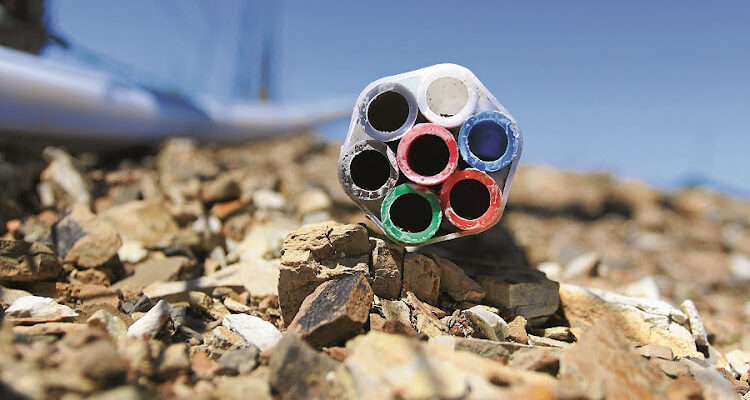
By Ross Moyo
While most serious businesses have no option but going for fixed fibre due to its versatility and reliability, a bigger chunk of home broadband are using Fixed Wireless Access routers to connect to the internet.
Major reasons will boil down to service availability and cost access before a broadband subscriber makes a decision for long term home connectivity or small office.
Fixed LTE subscriptions jumped 9.31% from 143,323 to 156,667 in Q1 2026. Active fibre only grew 0.32% to 86,505. DSL fell 4.11% to 84,107.
Zimbabweans are choosing an LTE router over waiting 6 months for fibre trenching on some areas where fibre is not readily availability or ADSL repair.
POTRAZ Q1 2026 Tables 14, 8, Figure 17 confirms FWA is now bigger than fibre and DSL combined. Why? Cost. A TelOne or Liquid fibre quote is $200-$500 installation. A NetOne or Econet LTE router is $45 and works today.
The tech adoption shift is clear: FWA subscriptions mirror mobile base station growth. MNOs added 161 LTE sites, 68 2G, 85 3G, 13 5G. More LTE capacity means better home LTE speeds.
With 5G at 379 sites and LTE at 3,746 sites, FWA will move from LTE to 5G. Imagine 100Mbps home internet over 5G with no cable.
Powertel, Dandemutande and Africom, who rely on fibre and WiMAX (down 41.69% to 761 users), are at risk. The consumer wants wireless home broadband.a










Comments