

 By
By 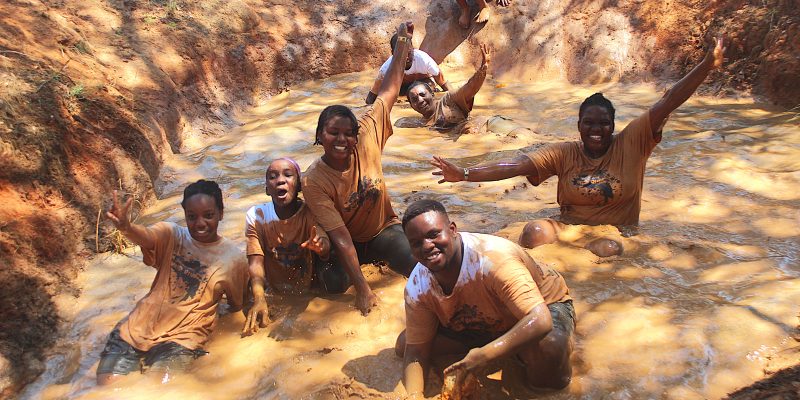
By Ross Moyo
Charity Kawadza does not mince words about why Zimbabwe loses children to cancer. The Health and Awareness Coordinator for KidzCan Zimbabwe revealed this to TechnoMag at Donnybrook using verified data that says Zimbabwe only has 3 oncologists qualified to deal with children cancer.
“We’ve only got three paediatric oncologists in Zimbabwe. What population do we have of children? Then, awareness.”
With survival at 20% vs WHO’s 60% target for 2030, the biggest killer is not the disease — it’s late arrival.
When TechnoMag’s Ross Moyo pressed Kawadza for more data, she said according to the last census of 2025 shared by KidzCan, the most common childhood cancers in Zimbabwe are:
1. Leukaemia (blood cancer) — top
2. Kidney (Wilms tumour)
3. Eye (Retinoblastoma)
4. Brain tumours
5. Lymphoma
Followed by neuroblastoma and sarcomas.
Asked by TechnoMag whether cancer is curable in Zimbabwe, Kawadza confirmed that, the first three — blood, kidney, eye — have a very high cure rate if caught early. The problem, Charity says, is parents keep children at home too long.
Asked on what school and church can bring to the table, Kawadza cited 7 SIGNS KIDZCAN WANTS IN EVERY SCHOOL AND CHURCH:
“High body temperature for over two weeks… You go to hospital, you get treatment, but the temperature is quite resistant to that treatment.”
Prolonged high fever >2 weeks not responding to antibiotics.
Prolonged loss of appetite and weight loss despite eating.
Eye change — white glow different from normal, like a cat’s eye in photos.
Kidney — small swelling on the side, left or right abdomen.
Bone pain — persistent pain in bone, swelling of joints.
Blood signs — easy bleeding, bleeding more than necessary, nosebleeds, bruising, joint pain.
Repeated illness — same flu returning 3 weeks, 6 weeks later.
“Anything which is prolonged… A flu you won’t get for seven days, ten days. You’re lucky, you get treatment and you heal. But now this goes beyond that. Then one should worry.”
Asked by this journalist on THE SURVIVOR PROOF
Does it work? Charity points to living proof:
“We do have survivors. Children can survive cancer.”
One girl had bone cancer, had one leg amputated, was so intelligent she got scholarships throughout Zimbabwe until sent overseas — now a qualified neurosurgeon working in New York.
One boy had kidney cancer removed at 5 years old — now 27, working in England.
Survivors of leukaemia, eye, kidney and bone cancers now working as doctors and nurses in Zimbabwe.
“The key is early detection. Big, big, big one is lack of awareness… We need everybody, not just the nurses, but everyone, the parents also, to know that there is child with cancer.”
KidzCan is piloting awareness in Mashonaland Central and works with the ATS group of schools every February, plus churches on invitation.
“If this is happening, please, all the community care providers, all the next level of care. So, we need to intensify awareness.”
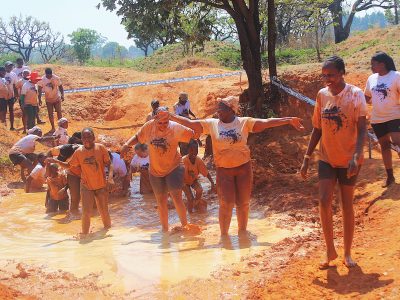
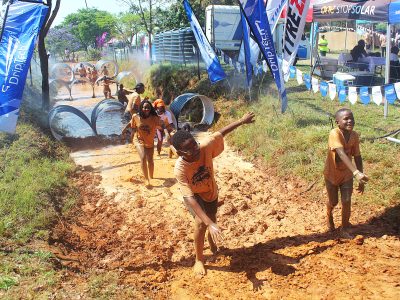
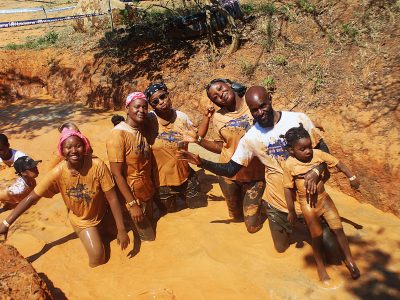
WHAT’S NEXT AFTER THE MUD?
Charity announced the next date: Victory Lap on 1st November — a day in recognition of survivors.
“We are saying, strive for cancer, run for cancer. The child you do not know, that you support them with your stride, you support them with your donation or your ticket so that these children can actually survive.”
And for corporates who missed Donnybrook?
“I ask them to invite us to their wellness days… Invite them to come and visit us at Rainbow Children’s Village. Then we can discuss partnership… Follow us on social media.”
She closed with the line that sums up KidzCan’s 21-year philosophy:
“Remember, every dollar makes a difference. For us, a dollar makes a difference. Because it will add up to the hundreds. It will add up to the thousands.”
At $100-$300 per chemo cycle, $200 per CT, $1,500 per MRI, and bus fare from Murewa to Harare — your $10 Mud Run ticket, which has not changed price since 2013 despite inflation, is literally a lifeline.
For donation: http://kidzcan.org.zw and Rainbow Children’s Village, Harare.







Comments