

 By
By 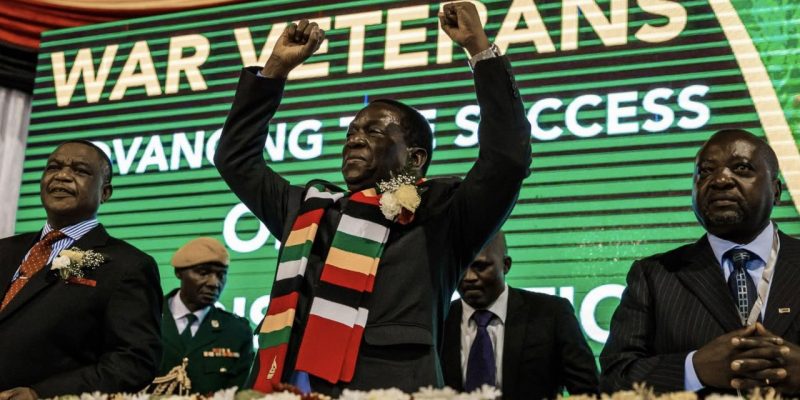
By Ross Moyo
The Mutapa Empire was built on one thing: control of land and resources.
More than 600 years later, as Zimbabwe marks the inaugural Munhumutapa Day on President Emmerson Mnangagwa’s 84th birthday, the same question dominates: Who owns the land, and how secure is that ownership?
President Mnangagwa has repeatedly described land as the “birth-right of our people” and the “sacred inheritance for which many fought and sacrificed.” He has been unequivocal that Zimbabwe’s Land Reform Programme is irreversible and protected.
The shift today is technological. Government is moving from paper offer letters to bankable, digitized title deeds — a move War Veterans Secretary Douglas Mahiya has welcomed as turning liberation gains into “multi-generational wealth.”
Munhumutapa Day, therefore, is not just cultural. It links the 15th-century sovereignty of the Mutapa Empire to the 21st-century sovereignty of a digitized land registry.
As Councilor Ernest Magadzire notes in Nyanga, where attempts to challenge land held by families of deceased war veterans have emerged, digital title is now the ultimate protection: “Every claim must be tested against the official record.”
From empire to database, the land remains the foundation of sovereignty.










Comments