

 By
By 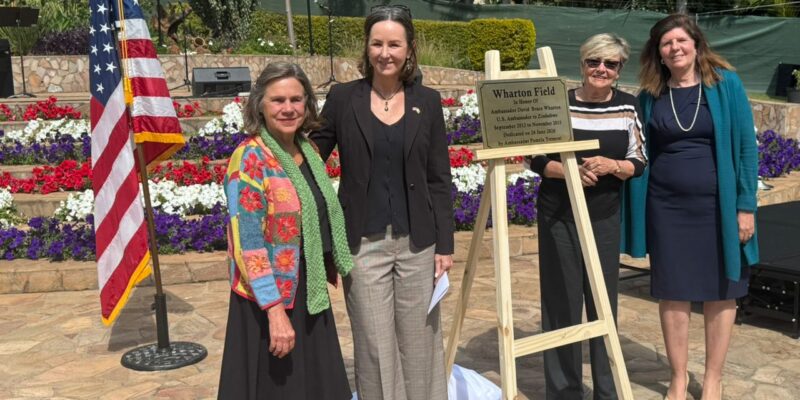
By Ross Moyo
Before ‘AI in newsrooms’ was a headline, Bruce Wharton was coding human infrastructure. As Public Affairs Officer and later Ambassador, he bet on voluntary media regulation when Government rejected it.
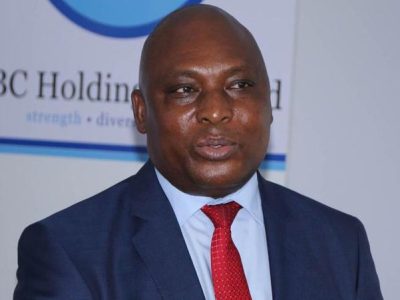
Vincent Kahiya said it plainly: “He was a great proponent… of the Voluntary Media Council of Zimbabwe at the time.” Financial and moral support when “the government did not believe in that.” Ten years later, media coordination is now policy.
That was Wharton’s playbook: Prototype, don’t impose. He funded leadership and journalism training in 2012. “Truly leaders of media are those who inspire a new generation of journalists to overcome… interference by government and private business,” he said then.
He stress-tested the system live. January 2013: Blocked by protesters who “kicked off clothes” at an event. Reporters called Kahiya: “How is the Ambassador?” Answer: “He’s not run away. He’s still there.” Post-event, Wharton said: “This is their way of expressing themselves.”
That’s diplomacy as de-escalation protocol. No takedowns. No blocking. He treated protest as data, not threat. Freedom of expression > optics.
He treated journalists as network nodes. Kahiya: “I’m a product of that media development.” Wharton built leaders, not just stories. The result: Editors, reporters, and media founders still citing him in 2026.
He understood both ‘heavy’ and ‘light’ news. Kahiya: “Some heavy diplomatic stuff news and some very light attribute as well.” That’s content mix strategy: hard policy + human interest = engagement.
The legacy is now institutional. Amb. Pamela Tremont just rededicated Hoyle Field as ‘Wharton Field’. A US$20,000+ scholarship fund. A USAP grove. Media leadership pipelines he seeded are still running.
Wharton’s tech stack was simple: Trust + Training + Tolerance. No algorithms. No takedown bots. Just “clarity and compassion” as Tremont put it. In an AI era, that’s still the most scalable media model Zimbabwe has.




Comments