

 By
By 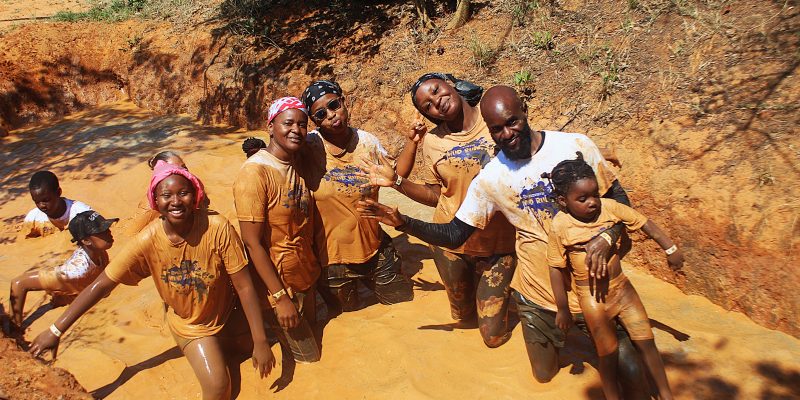
By Ross Moyo
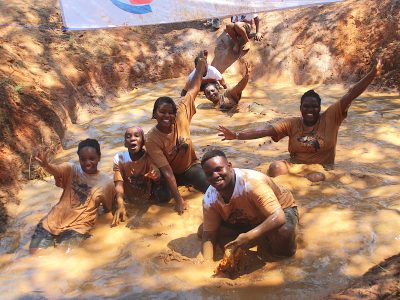
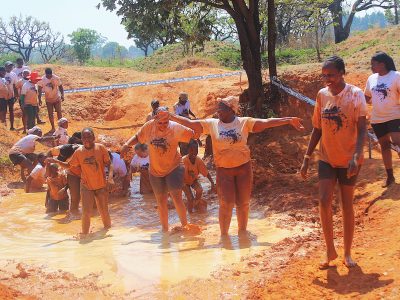
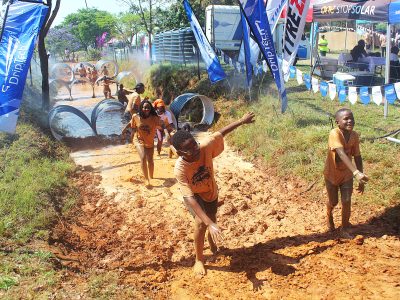
Behind the paint-splattered faces at Donnybrook is a brutal statistic that KidzCan Zimbabwe is trying to rewrite.This was revealed by Philippa (Pippa) Howard, the Marketing Manager with Husqvarna at the mud-run hosted for children with cancer.
Zimbabwe launched its Childhood Cancer Treatment Guidelines coinciding with International Childhood Cancer Day at KidzCan’s Rainbow Village, at a time when children with cancer in Zimbabwe have only a 20 percent survival rate — well below the World Health Organization (WHO) 2030 target of 60 percent.
Globally, childhood cancer claims over 250,000 young lives annually, but in Zimbabwe the survival rate for children with cancer and blood disorders is just 20 percent. Sources working with children estimate mortality numbers are in the region of 75%.
That is the gap the Mud Run is filling.
WHAT KIDZCAN DOES WITH THE MONEY
KidzCan was founded in 2003 by a childhood cancer survivor and now provides a lifeline to over 900 children and their families a year. It supports two children’s cancer wards in Harare, covering chemotherapy drugs, blood and blood products, CT and MRI scans, and transport allowances.
The numbers from 2025 show the scale of the intervention:
5,529 prescriptions facilitated — chemotherapy, antibiotics, pain management.
2,240 phone calls to caregivers to monitor treatment between visits.
460 support groups at hospital and Rainbow Village for parents and siblings.
KidzCan also sources prosthetics, admission and discharge packs, and provides individual and group counselling, play and learning materials, with volunteers holding structured plays and a clown visiting every week.
RAINBOW CHILDREN’S VILLAGE: A HOME AWAY FROM HOME
The most visible symbol is the Rainbow Children’s Village, a partnership between Round Table Zimbabwe who donated land, Meikles Foundation, and KidzCan who came with seed funding.
The logic is simple and heartbreaking. Caregivers from remote communities could not meet ongoing costs of travel, accommodation and meals in Harare, sleeping on ward floors while children were discharged straight after treatment with compromised immune systems. Cancer is a very expensive disease — KidzCan exists to bridge that gap.
The Village currently has a capacity of 24 rooms, accommodating 24 patients and 24 caregivers at any time, free of charge for as long as treatment requires — treatment that can stretch 2-3 years. The third phase, nearing completion, adds 9 new accommodation rooms, a playroom and storage. Through its #The51 Initiative, ZimWorX contributed US$25,000 to sponsor a “Room of Love”, part of this expansion.
Fighting childhood cancer requires significant resources — over US$300 million annually globally — but local action matters. KidzCan’s Director Daniel McKenzie in an exclusive with TechnoMag held early this year said: “To improve survival rates, raising community awareness about childhood cancer symptoms and the importance of early diagnosis is crucial.”
Early warning signs — white glow in the eye (retinoblastoma), persistent swelling (Wilms tumour), unexplained bruising and fatigue (leukaemia) — are being piloted in awareness workshops in Mashonaland Central. In Harare, an estimated 1 in 2 childhood cancer patients die within one year of diagnosis precisely because they arrive late.
CORPORATE CALL
Pippa pitched to corporate Zimbabwe to come aboard telling this publication,
“We had 61 critical responses, but there is always room for more. And there’s always space for more. And we’ll be happy to have anybody come on board next year.”
Last year $66,000. This year 1,000+ tickets plus walk-ins. Next year, with ticket prices frozen at $10, the potential is higher. As the WHO pushes for 60% coverage by 2030, every muddy shirt at Donnybrook is a prescription, a bus fare, a phone call that keeps a child alive.
As Pippa shouted before running to the last race herself: “Always, for KidsCan.”







Comments