

 By
By 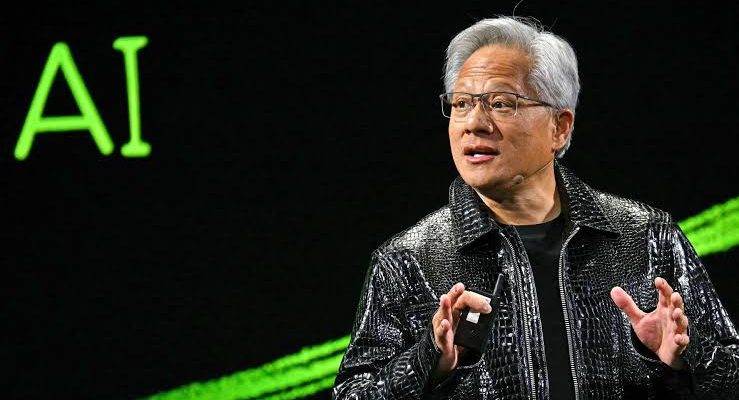
Nvidia chief executive Jensen Huang has rejected warnings that artificial intelligence could pose an existential threat to humanity, describing predictions of AI driven extinction as exaggerated “doomsday” narratives.
Huang’s comments place him at odds with prominent figures in the AI industry who have called for greater caution and, in some cases, a slowdown in the development of increasingly powerful AI systems.
Speaking amid growing debate over the risks posed by advanced artificial intelligence, Huang argued that the technology should continue to develop and be deployed safely rather than be subjected to broad restrictions.
He also questioned the motives of some AI executives advocating stronger safety measures, suggesting that calls for regulatory intervention could be linked to concerns about legal liability rather than solely to the risks posed by the technology.
The comments come as governments and technology companies face increasing pressure to determine how AI should be regulated. The debate has intensified as companies race to develop more capable systems while researchers and policymakers warn about potential social, economic and security consequences.
Nvidia, one of the world’s most important suppliers of the computer chips used to develop and operate AI systems, has benefited significantly from the rapid expansion of the technology. The company’s position gives Huang considerable influence over the global AI debate.
His remarks contrast with warnings from executives including Anthropic chief executive Dario Amodei and OpenAI chief executive Sam Altman, who have raised concerns about the potential risks of advanced AI and called for stronger safeguards.
The disagreement reflects a wider divide within the technology industry over how quickly AI should advance and how much government oversight should accompany its development.
With countries including the United States, Britain and members of the European Union developing different approaches to AI regulation, the dispute is likely to remain central to discussions about the technology’s future.
For now, the industry remains split between those who see rapid AI development as a major opportunity and those who argue that increasingly powerful systems require stronger safeguards before they are widely deployed.













Comments