

 By
By 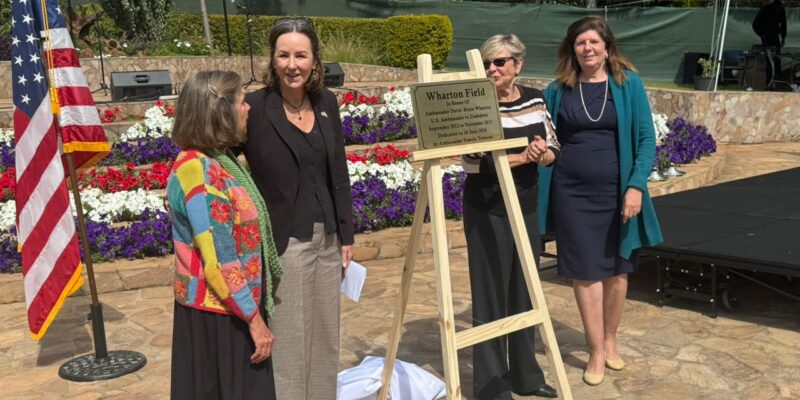
By Ross Moyo
Bruce Wharton ran the U.S. Embassy like an open-source project. Chloe Clark for LE Staff confirmed this stating: He hosted “teas with 10 maximum at a time” to know names, families, and job titles. That’s bottom-up data collection.
He gave staff ‘admin rights’. Rebecca Zeigler Mano’s quote: “If it’s ethical, if it’s within Mission, and it’s in budget, just do it.” That’s an operator’s licence. No ticket queue. No micromanagement.
Result: USAP was forked from that permission. “USAP would not have existed without Bruce,” Zeigler Mano said. He gave her the Embassy library as an advising centre + an assistant. Zero to MVP.
He gamified morale. The Embassy soccer team “Obama Boys” got songs, player-of-the-month awards, and kits. They won 4 consecutive championships. That’s culture-as-code.
He shipped human-centered diplomacy. Clark: “He taught us positive conflict resolution… manage difficult situations without offending.” That’s UX for diplomacy.
He documented and shipped ‘Critters’. Richard Beattie’s story: Wharton left small toy figures across countries “to continue their Journey as someone else’s Critter.” That’s viral, low-cost storytelling.
He A/B tested leadership offline. Horse riding vs motorbikes. Laundromat taxi negotiations. “Adventure Kids” trips from Virginia to Scotland. He collected human data outside protocol.
He scaled it with partnerships. Amb. Tremont added: “He understood that diplomacy is not just about policies and programs, but about people.” The field renaming, scholarship fund, USAP grove = institutional commits.
His leadership API still has endpoints. “Let your life speak,” Zeigler Mano closed. In tech terms: Wharton open-sourced a leadership model Zimbabwe still clones in 2026.



Comments